
Avicam Supply · Phnom Penh, Cambodia
Aircraft, helicopters and parts for Southeast Asia
We buy aircraft, helicopters, engines and whole parts inventories worldwide, manage their teardown and repair, and deliver them to operators and public bodies in Cambodia and across the region.
What Avicam does
One company between the world's surplus and Cambodia's ramp
Airlines retire fleets, lessors return aircraft, operators close bases. Good material is left on shelves in one part of the world while an aircraft waits on the ground in another. We connect the two and take responsibility for what happens in between.

Trade
Helicopters, turboprops and business jets, bought on our own account or sourced against your specification.
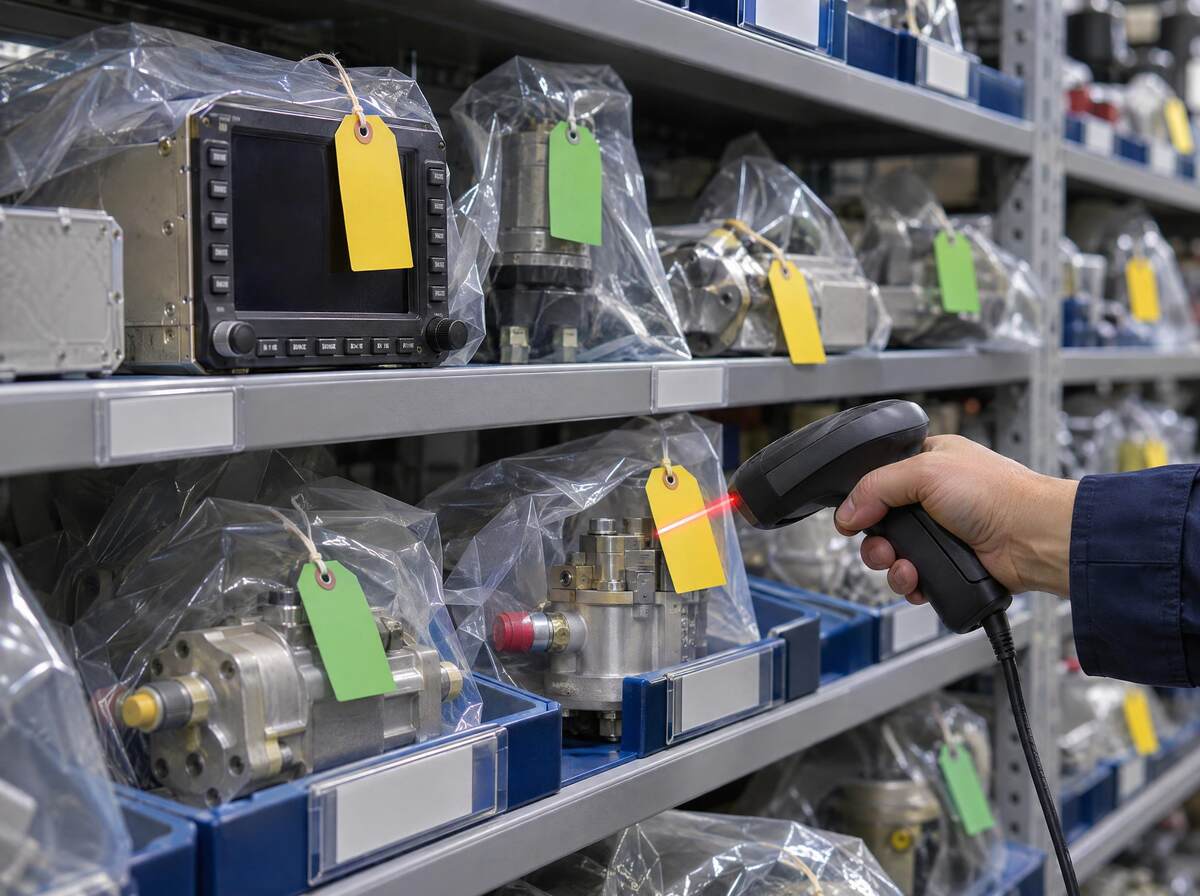
Supply
Rotables, consumables and engines by part number, with an AOG desk for aircraft that cannot wait.
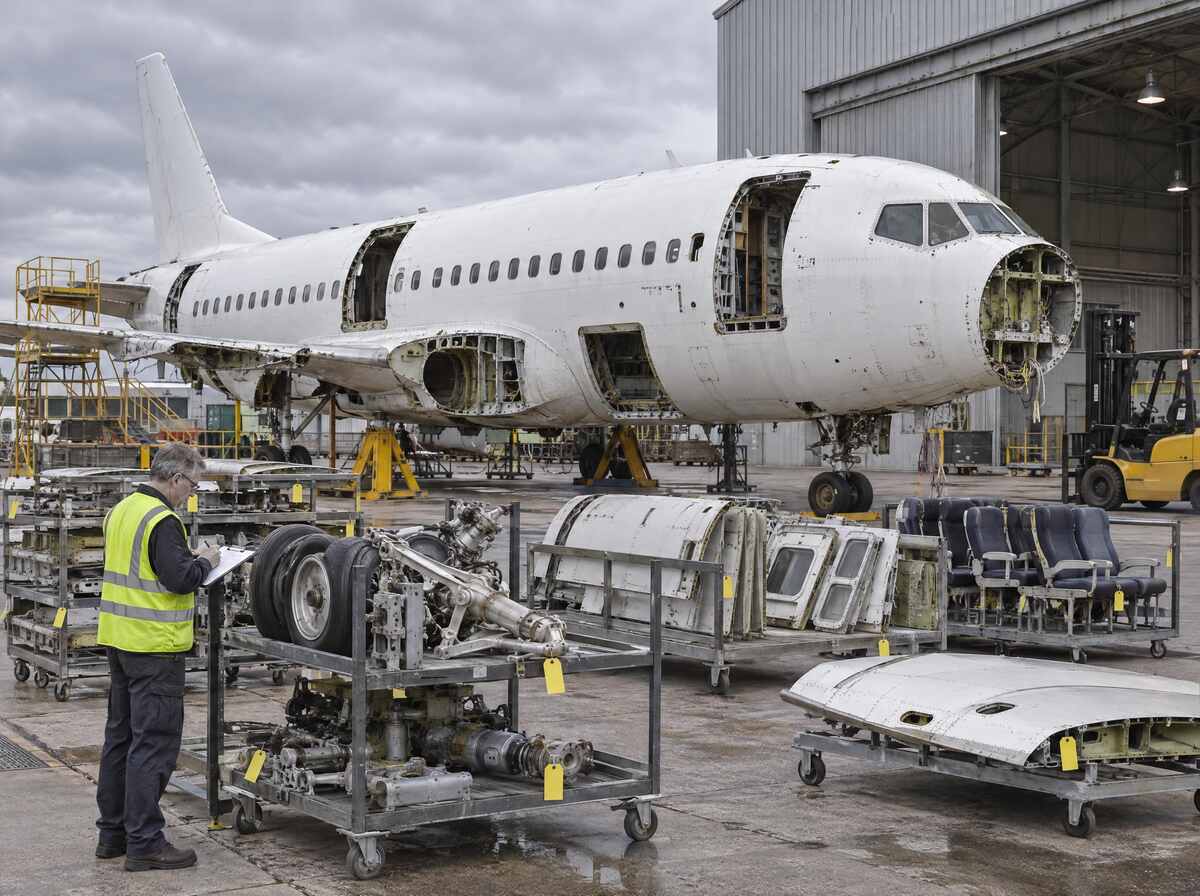
Teardown & repair
We part out airframes and engines, route components through approved shops and return them to service.

Acquisition
We buy whole stores, teardown packages and retired fleets for one price, and collect from your site.
In the hangar
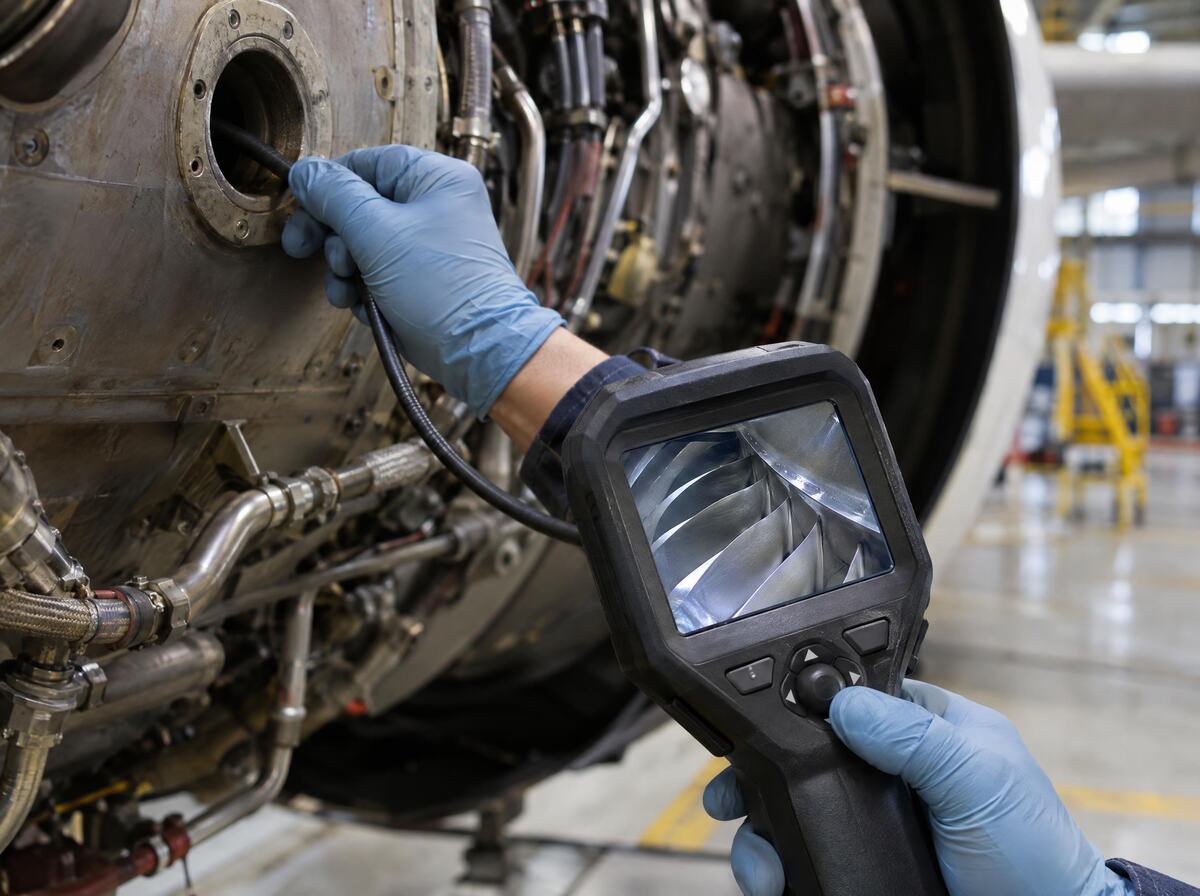
The work behind every part we sell
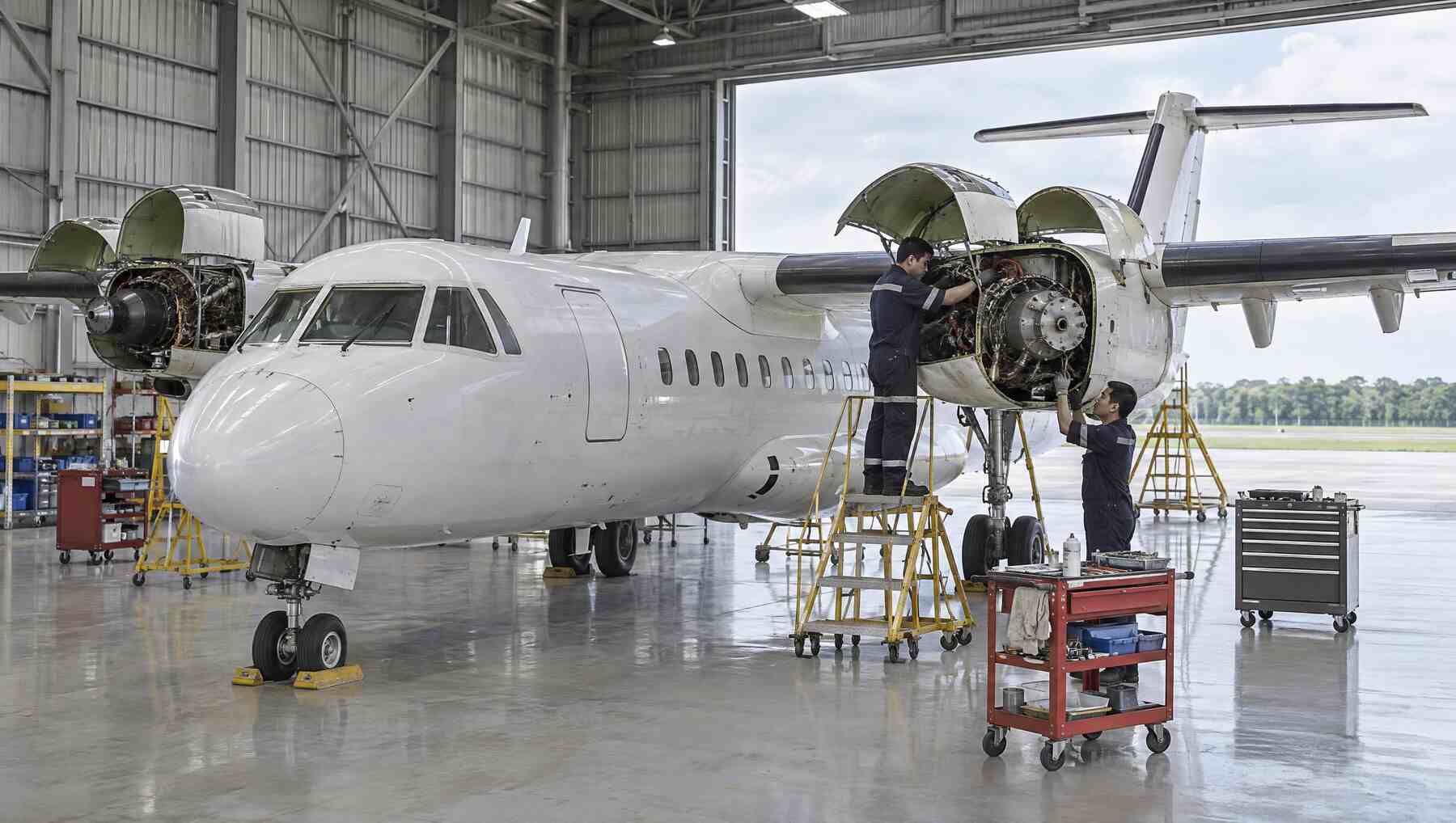
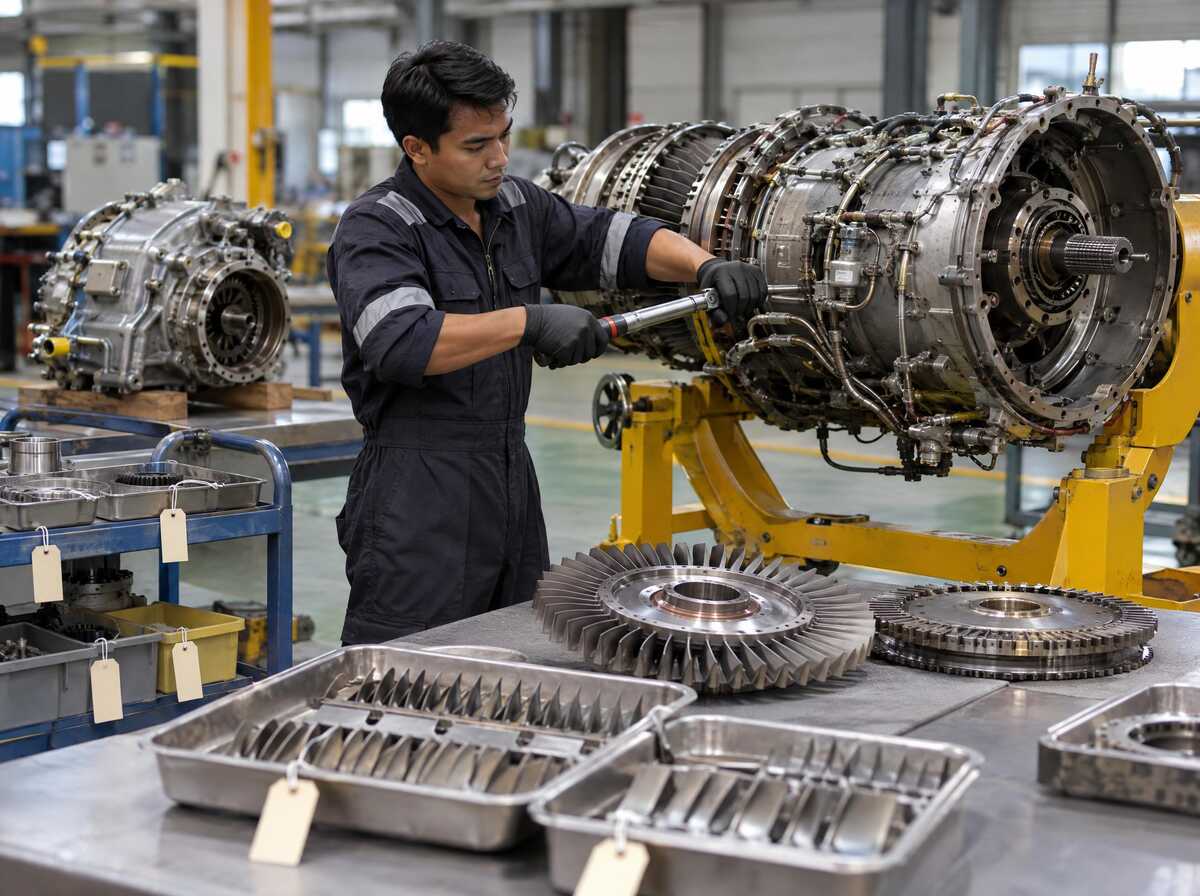
Illustrative images
Inventory
Available now
Anatomy of a turbofan
Where the value sits inside an engine
An engine is most of the worth of an ageing airliner. Select a module to see what it contains, which parts are life-limited and what we trade from it.
- Life-limited parts
- What we trade
Cambodia in numbers
A small aviation market that set its record in 2025
Figures published by the State Secretariat of Civil Aviation (SSCA). Traffic softened in 2026; the fleet, the new capital airport and the route network remain.
Sources: Agence Kampuchea Presse · The Phnom Penh Post · The Star / Xinhua · techoairport.com.kh
 Cyril Girot, CEO of Cambodia Airports, on Techo International and new routesInterview by B2B Cambodia · 6 Aug 2025 · opens on YouTube
Watch & read
What the industry is saying
Interviews, official statements and market reading we follow, with our own guides to buying parts and aircraft.
- Public statements from Cambodia's aviation and tourism authorities
- The used-material and engine market in 2026
- Guides: condition codes, release certificates, teardown
Tell us the part number, the type or the mission.

Avicam / Inventory
Inventory
Helicopters, aircraft, engines and parts lots we own or control. Most of what we sell is sourced to order, so the list is a starting point, not the limit.
PrototypeSample listings to show the layout. Live stock will load from Avicam's inventory list. Photos are illustrative.
Nothing in stock matches that. Send us the request and we will source it: open an RFQ.
How buying works
From first call to delivery flight
Specification
Mission, payload, range, budget and the base the aircraft will fly from. We answer with two or three candidate types and what each costs to keep flying.
Search
Our own stock, then operators, lessors and brokers we know. Much of the better equipment never reaches public listings.
Offer
Specification sheet, status of engines and time-controlled components, records summary and an asking price. You see the same documents we do.
Letter of intent and deposit
A refundable deposit held in escrow takes the aircraft off the market while it is inspected.
Pre-purchase inspection
Carried out at an independent approved facility chosen with you. Findings are costed and settled before closing.
Closing
Purchase agreement, bill of sale, deregistration and export certificate of airworthiness from the country of origin.
Delivery
Ferry flight or disassembly and container shipping, import clearance, reassembly and registration support in the country of operation.
Entry into service
Initial spares, tooling and crew or technician training arranged with approved organisations.
Pre-purchase checks
What we look at before money moves
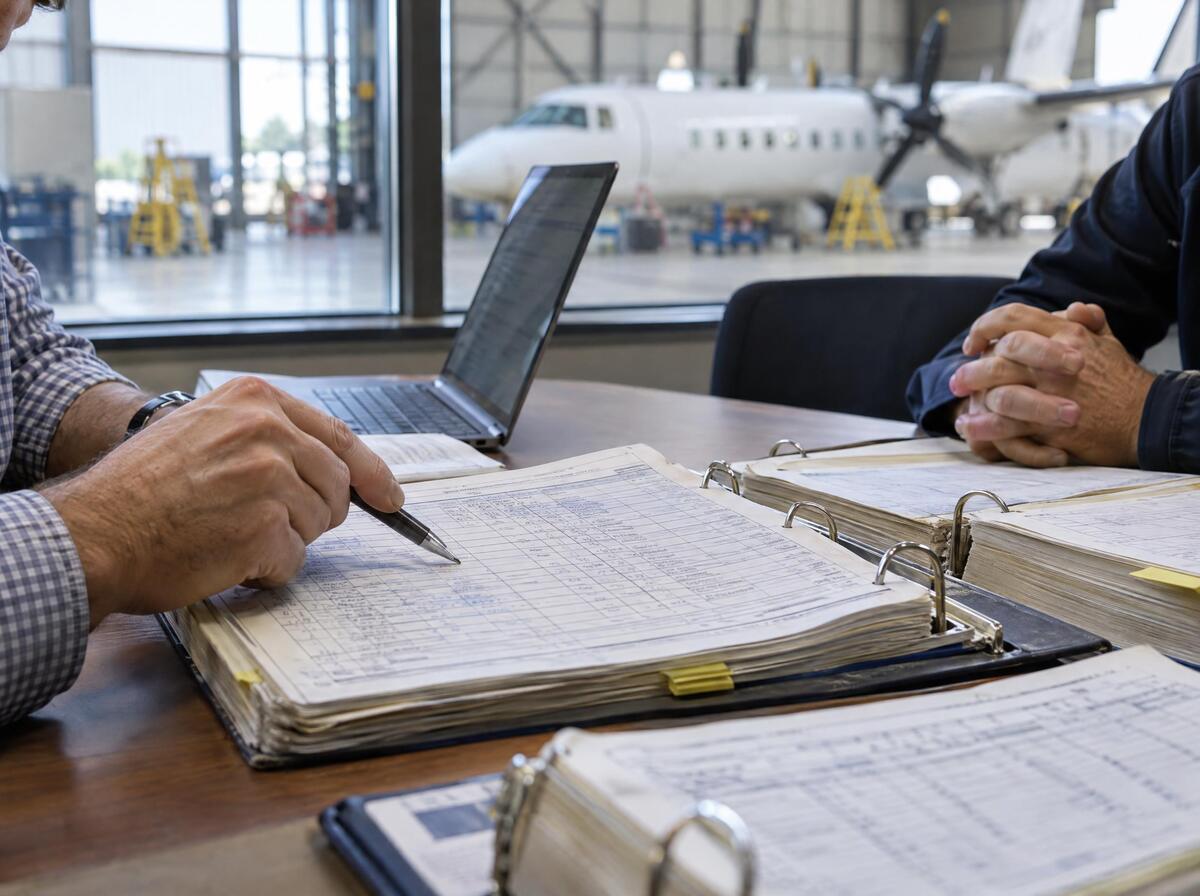
An aircraft is only as good as its records. The physical inspection confirms what the paperwork claims.
| Area | What is checked |
|---|---|
| Records | Logbooks complete from new, airworthiness directives, service bulletins, modification status, damage history |
| Engines | Hours and cycles, life-limited parts status, last shop visit report, borescope, power assurance run, oil analysis |
| Airframe | Corrosion, structural repairs, calendar inspections due, landing gear overhaul status |
| Rotor system | Blade and hub lives, gearbox overhaul status, vibration analysis (helicopters) |
| Avionics | Equipment list against the specification, database currency, mandate compliance for the region of operation |
| Title | Registered owner, liens and mortgages, export eligibility, sanctions screening of the seller |
Questions
Buying through Avicam
Do you own the aircraft you list?
Some we own, some we hold under an exclusive mandate, and some are offered off-market by owners who do not want a public listing. Each listing says which. The live site will show this on every card.
Can you find an aircraft that is not listed?
Yes. Most of our sales start from a buyer's specification. Send the type, year range, budget and timing and we will come back with candidates.
Why is there no price on the listings?
Prices move with engine status and inspection findings, and many owners ask for discretion. We quote against a named buyer and a stated purpose.
Can the aircraft be delivered to Cambodia ready to fly?
Yes. We arrange export from the country of origin, shipping or ferry, import, reassembly and support through registration with the civil aviation authority.
Do you take aircraft in part exchange?
We consider it. We also buy aircraft outright for resale or part-out; see the We buy stock page.
Who can you not sell to?
We do not accept requests from companies under sanctions or from residents of sanctioned countries, and every counterparty and end user is screened before we quote.
Avicam / Parts
Parts, engines and AOG support
Spares and consumables for commercial, regional and business aircraft and for helicopters. Tell us the part number; we find the unit, check its history and ship it.
Categories
What we supply, by ATA chapter
| Category | ATA | Typical units | Usual condition |
|---|---|---|---|
| Airframe | 51–57 | Doors, flight control surfaces, fairings, radomes, windshields and cabin windows | NE · SV |
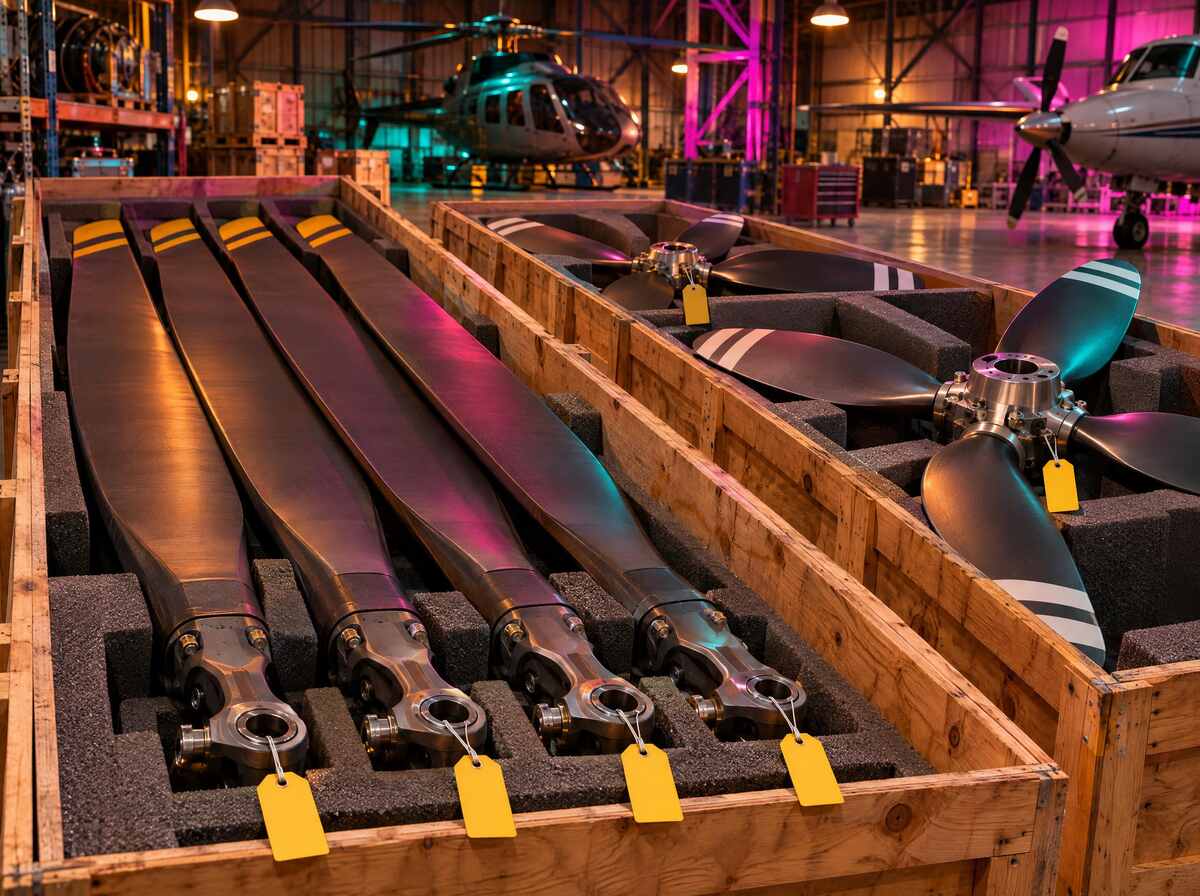
| Engine & propeller | 61 · 71–80 | Complete engines and modules, blades and vanes, fuel controls, starters, propeller hubs and blades | OH · SV |
| Rotor & drive | 62–67 | Main and tail rotor blades, hubs, gearboxes, servo actuators, drive shafts | OH · SV |
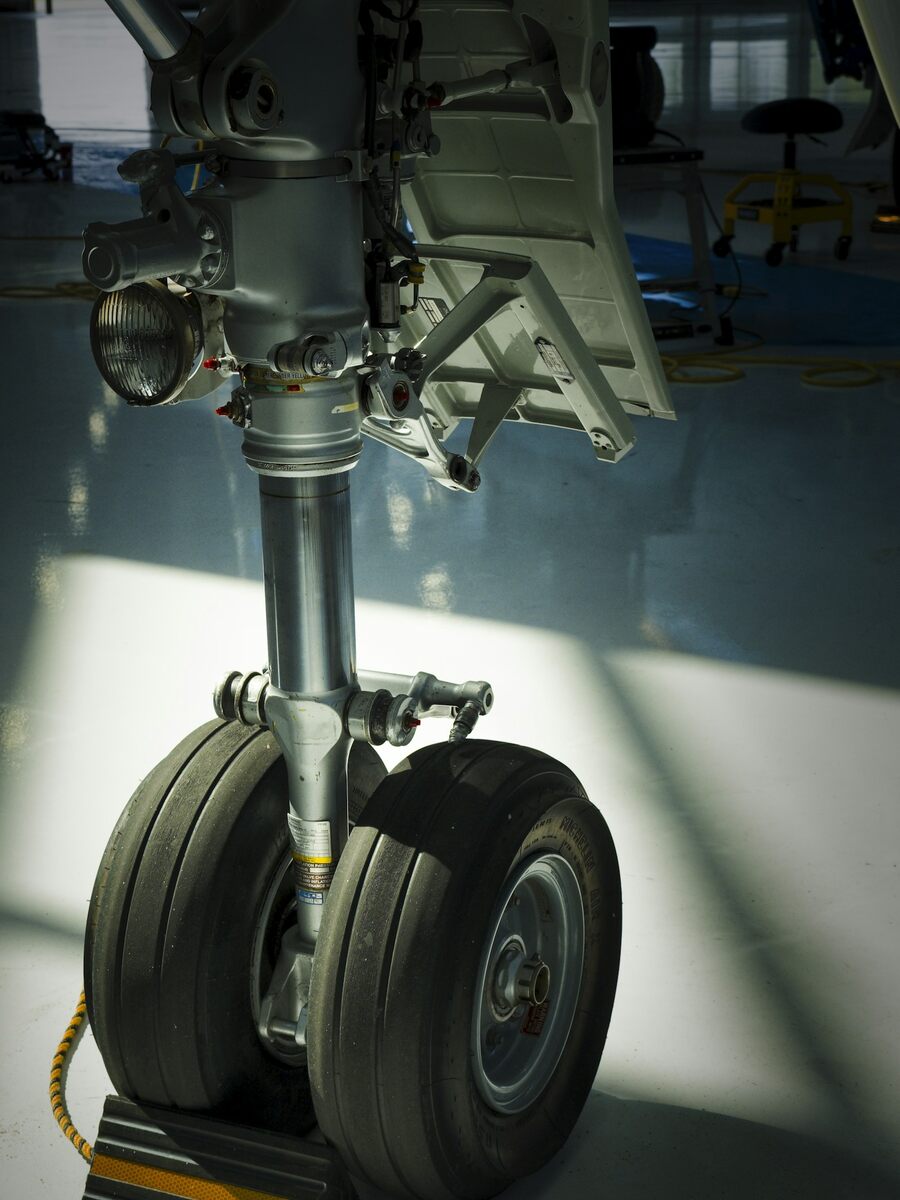
| Landing gear | 32 | Gear legs, actuators, wheels, carbon and steel brakes, tyres, steering units | OH |
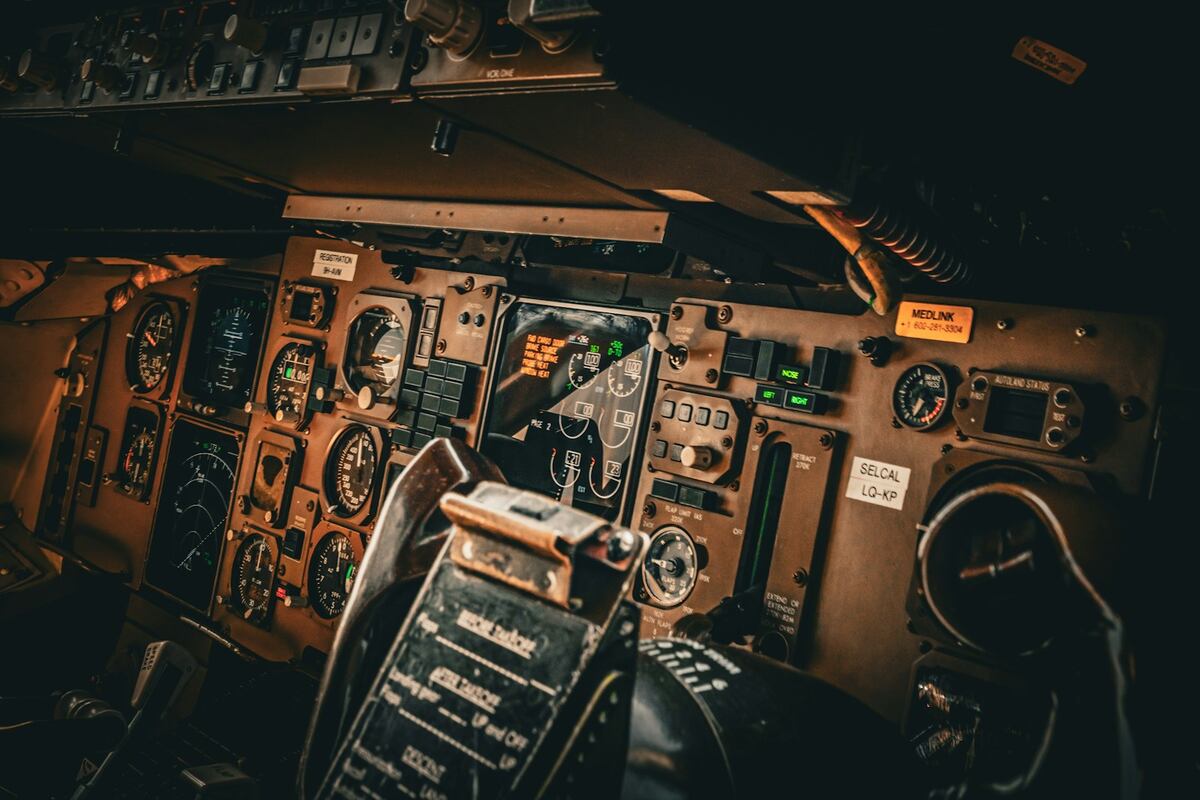
| Avionics | 22 · 23 · 31 · 34 | Display units, flight management computers, radios, transponders, air data and inertial units | SV · OH |
| Electrical | 24 | Generators, starter-generators, batteries, contactors, static inverters | OH · SV |
| Hydraulics & fuel | 28 · 29 | Pumps, valves, accumulators, fuel quantity probes, boost pumps | OH · SV |
| Air & cabin | 21 · 25 · 36 | Air cycle machines, valves, seats, galleys, emergency equipment | OH · NE |
| Consumables | — | Filters, seals, bearings, hardware, lamps, tyres | NE |
Engines
From radial pistons to high-bypass turbofans
The engine families we are asked for most often in this region, and what usually changes hands.


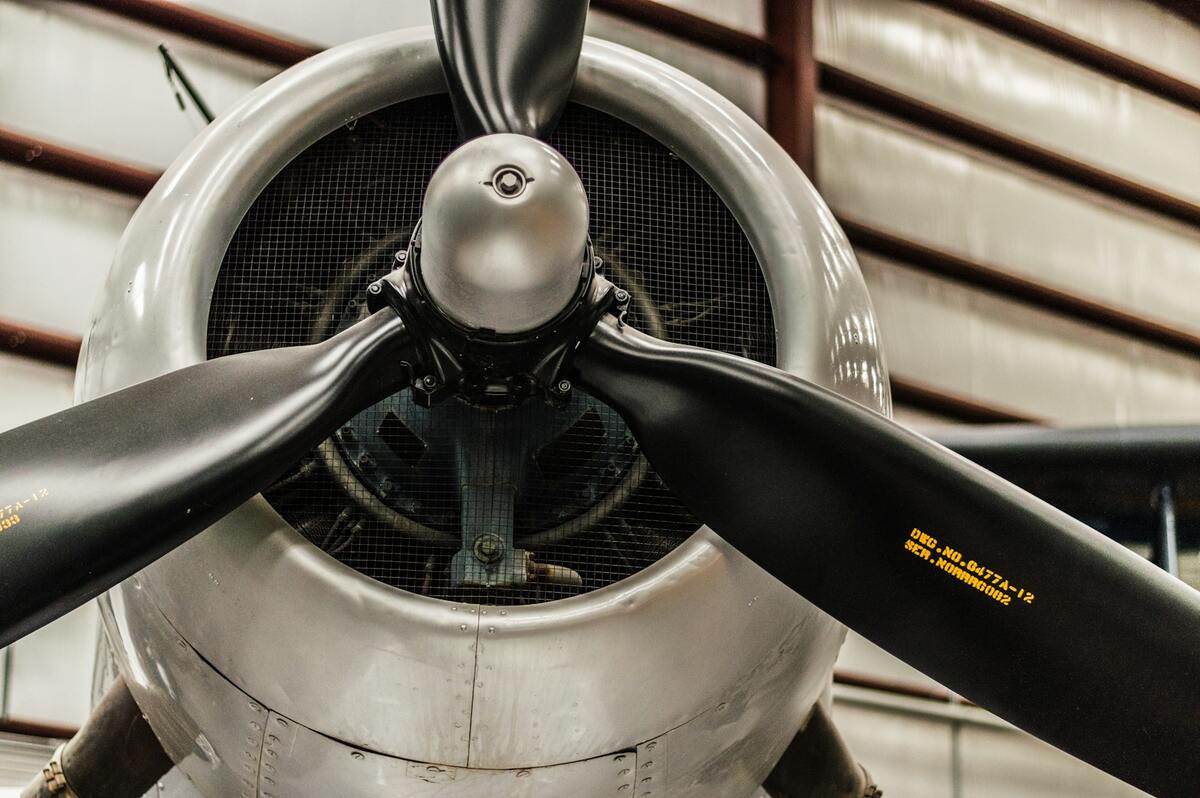
| Family | Type | Found on | What we trade |
|---|---|---|---|
| CFM56 | Turbofan | Airbus A320 family, Boeing 737 Classic and NG | Whole engines with remaining cycles, modules, life-limited discs, blades, accessories |
| V2500 | Turbofan | Airbus A320 family | Serviceable engines, fan blades, accessories |
| PW100 / PW127 | Turboprop | ATR 42 and 72, Dash 8 | Overhauled engines, hot-section parts, reduction gearboxes, propeller systems |
| PT6A | Turboprop | Caravan, King Air, PC-12, Twin Otter | Overhauled and mid-life engines, exchange units, fuel controls, starter-generators |
| Arriel | Turboshaft | H125, H130, AS365 | Engines and modules, fuel control units, free turbine modules |
| M250 / RR300 | Turboshaft | Bell 206 and 407, R66 | Overhauled engines, compressors, turbines, gearboxes |
| PW200 / Arrius | Turboshaft | H135, Bell 429, AW109 | Engines, modules, electronic engine controls |
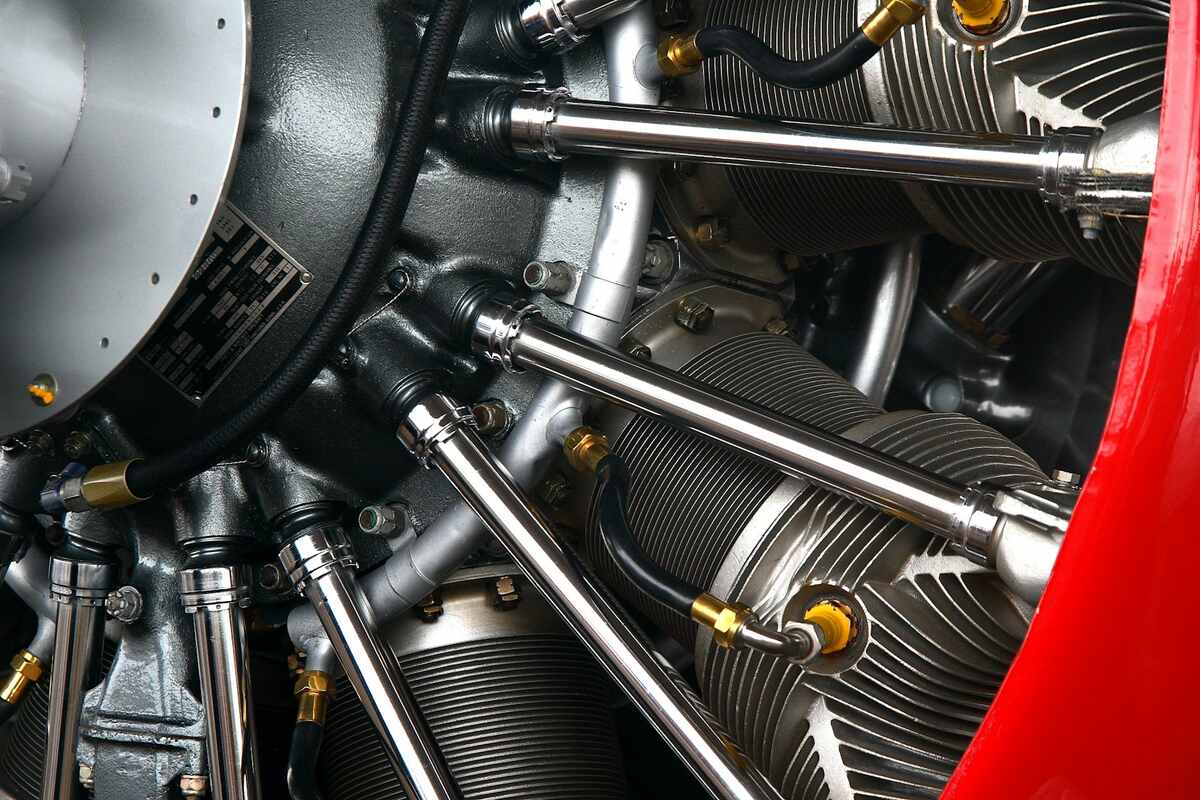
| Piston | Opposed and radial | Trainers, utility and heritage aircraft | Overhauled engines, cylinders, magnetos, carburettors |
Manufacturer and type names identify compatibility only.
Condition codes
Six letters that set the price
The same part number can cost several times more or less depending on its condition code. Quote requests should always say which you will accept.
Read the full guide →| Code | Meaning | In practice |
|---|---|---|
| NE | New | From the manufacturer or its distributor, never installed |
| NS | New surplus | Never installed, sold on by an operator or stockist |
| OH | Overhauled | Stripped, restored to manual limits, tested; time since overhaul is zero |
| SV | Serviceable | Inspected and tested as fit for use; hours and cycles carry over |
| RP | Repaired | A specific defect corrected and the unit tested |
| AR | As removed | Straight off the aircraft, not yet inspected; needs a shop visit |
Documents
What arrives with the part
FAA 8130-3 or EASA Form 1
The authorised release to service, signed by the approved organisation that made, overhauled, repaired or inspected the unit. Dual release where the buyer's authority asks for it.
How to read one →Where the part has been
Chain of ownership back to an operator or manufacturer. For life-limited parts, the full record of hours and cycles from new.
Back-to-birth trace →What was done to it
Teardown report, work order, test sheet and the list of parts replaced, so your engineers can judge the remaining life.
Where it has not been
A signed statement that the unit was not involved in an accident or incident and was not subjected to fire, immersion or overstress.
For new material
The manufacturer's or distributor's statement that the item conforms to its drawing and specification, with batch and cure dates for consumables.
For the border
Commercial invoice, packing list, airway bill, and an end-user statement or export licence where the rules of the exporting country require one.
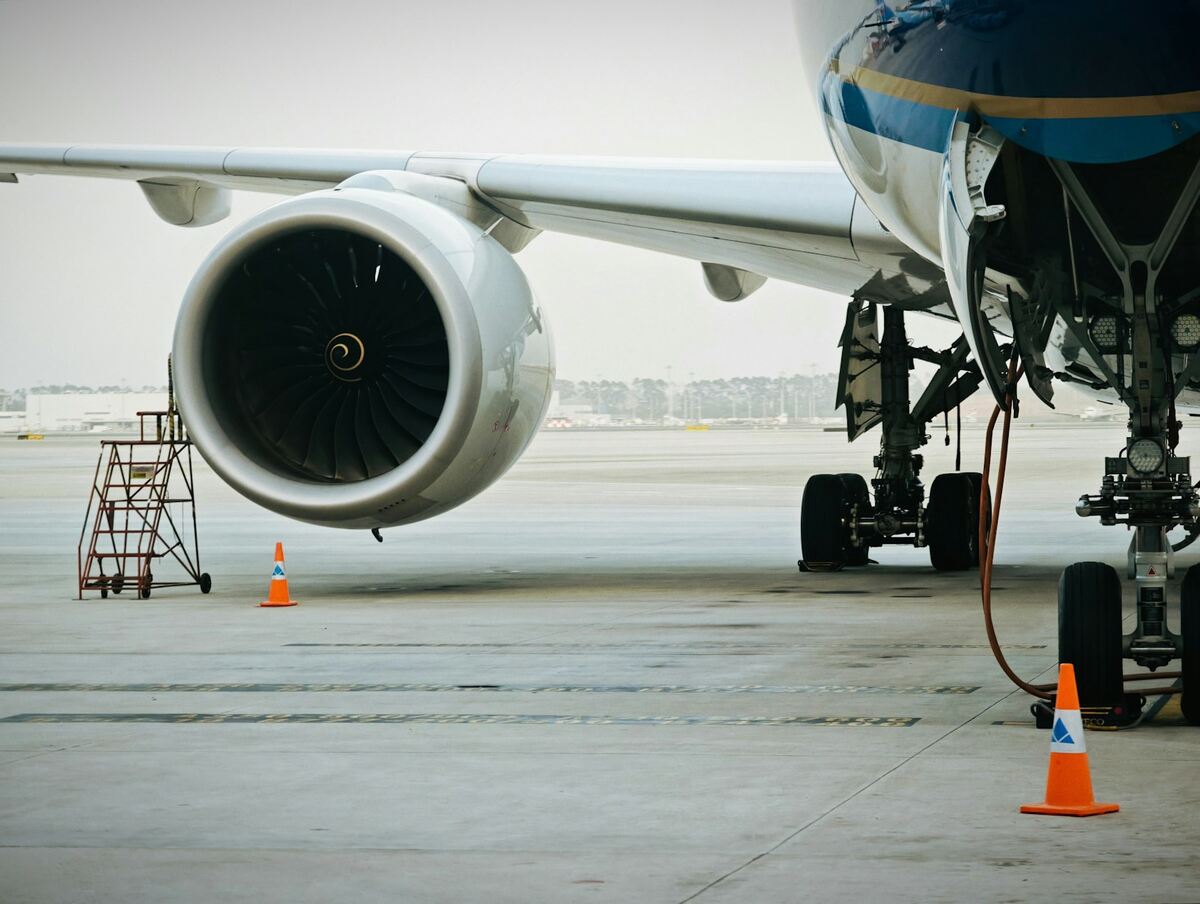
AOG desk
When the aircraft is on the ground
An AOG request jumps the queue. The desk works every hour of every day.
Call or mark the RFQ as AOG
Part number, aircraft type and registration, where the aircraft is.
First answer
Availability, condition and location of the nearest units. Our target is 15 minutes.
Documents before dispatch
Certificate and trace sent for your approval while the unit is being packed.
Next flight out
Counter-to-counter or courier, tracked to your hangar door.
Request for quotation
Add your lines and send
One line per part number. Say which conditions you accept and when you need the unit.
- Several quantities and alternates on one request
- AOG lines flagged and handled first
- Quotes state price, lead time, condition, certificate and location
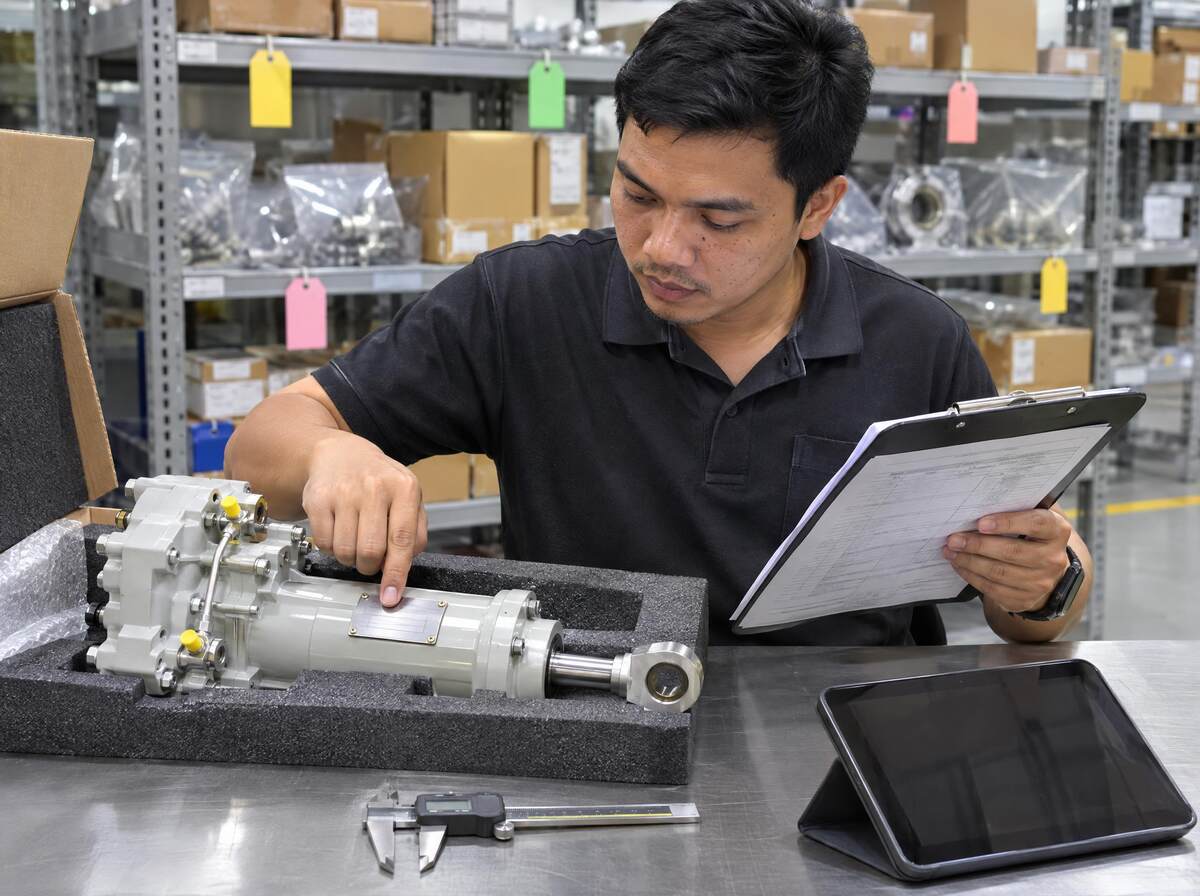
Avicam / MRO & teardown
We take aircraft apart and put them back into service
Teardown and part-out, component repair and engine shop visits managed through approved organisations, and the disassembly, shipping and reassembly that gets a helicopter from another continent onto a Cambodian helipad.
Services
Six lines of technical work
Teardown and part-out
Induction, records audit, dismantling plan, removal, tagging and storage of every saleable unit from an airframe, engine or helicopter.
Component repair management
We route as-removed units to the right approved shop for test, repair or overhaul, follow the work order and return them certified.
Engine shop visits
Workscope definition, shop selection, on-site representation during strip and build, and control of life-limited parts replaced.
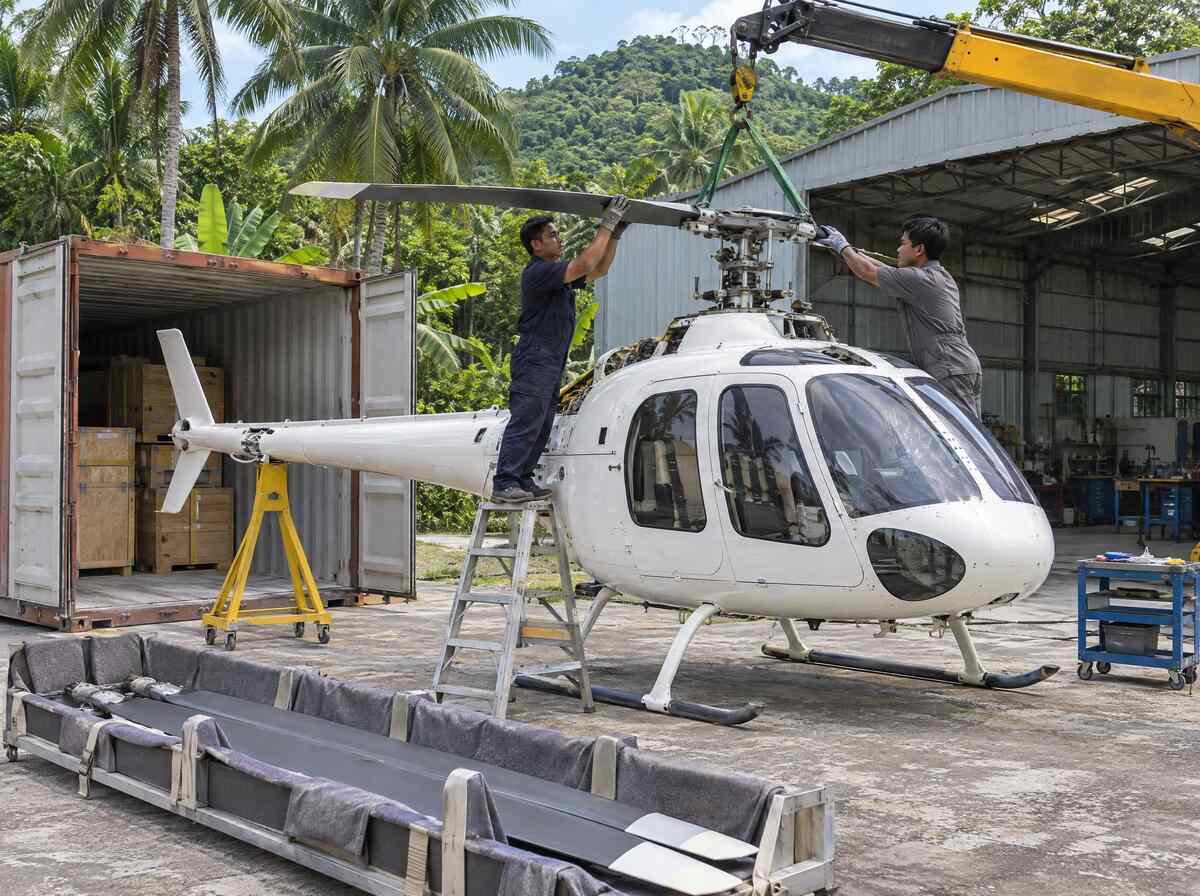
Helicopter relocation
Disassembly at origin, crating and container loading, reassembly, rigging, ground runs and check flight at destination.
Inspections
Pre-purchase inspection, borescope, records audit, redelivery checks and physical inventory of stores we are asked to value.
Storage and preservation
Engine preservation, humidity-controlled storage of rotables, shelf-life control and periodic re-certification of stock.
NoteCertified maintenance and release to service are performed by approved maintenance organisations under contract to Avicam. Avicam plans, supervises and takes commercial responsibility for the work.
Teardown
From a retired aircraft to certified stock in seven stages
A teardown is a records exercise as much as a mechanical one. A unit that cannot be tied back to the aircraft it came from is worth little.
Induction
The aircraft arrives at the dismantling site. Fuel and fluids are drained, hazardous items removed, and the aircraft is photographed as received.
Records audit
Logbooks, component cards and the last operator's status lists are checked so that every serial number on the harvest list has a history.
Harvest list
We decide what comes off, in what order, against current market demand. High-value units are removed first: engines, auxiliary power unit, landing gear, avionics.
Removal and tagging
Each unit is removed to the maintenance manual, capped, bagged and tagged with part number, serial number, aircraft, position and date.
Routing
Units go to stock as removed, or to an approved shop for test, repair or overhaul, depending on what buyers need and what the shop finds.
Certification
The shop issues an FAA 8130-3 or EASA Form 1. We add the trace pack: removal tag, operator statement and non-incident statement.
Stock and sale
The unit enters inventory with its documents scanned, and is listed for sale, exchange or lease. What remains of the airframe is recycled.
What an airframe yields
Where the value of a retired narrow-body sits
Rough shares of resale value from a typical single-aisle teardown. Engines dominate; the metal itself is worth least.
| Group | Share of value | What it includes | Typical route to market |
|---|---|---|---|
| Engines | Most of it | Two engines sold whole with remaining life, or stripped to modules and piece parts | Sale or lease as green-time engines; teardown at an engine shop |
| Landing gear | High | Nose and main gear shipset, actuators, wheels and brakes | Overhaul, then sale or exchange |
| Auxiliary power unit | High | APU with its starter, generator and control unit | Test or overhaul, then sale or lease |
| Avionics | Medium | Display units, computers, radios, navigation and surveillance units | Bench test, then sale as serviceable |
| Rotables | Medium | Pumps, valves, actuators, generators, air conditioning packs, flight control units | Test, repair or overhaul by line |
| Structure & interior | Low | Doors, control surfaces, nacelles, seats, galleys | Sold as removed to repair shops and operators |
| Remaining hull | Scrap | Aluminium, titanium, composites, wiring | Recycling |
Qualitative guide; actual yield depends on type, age, engine status and records.
Sources: Air Cargo Week · Aviation Week · Cassel Salpeter · Aviation Today
Engines
Shop visits without surprises
An engine shop visit is the largest single maintenance bill an operator faces. We define the workscope before the engine leaves the wing and stay with it through the shop.
- Borescope and performance trend review to decide the workscope
- Shop selection by engine type, turnaround time and slot availability
- Used serviceable material sourced by us to cut the parts bill
- Representation at strip and at test cell
- Lease or exchange engine to keep the aircraft flying meanwhile
Helicopter relocation
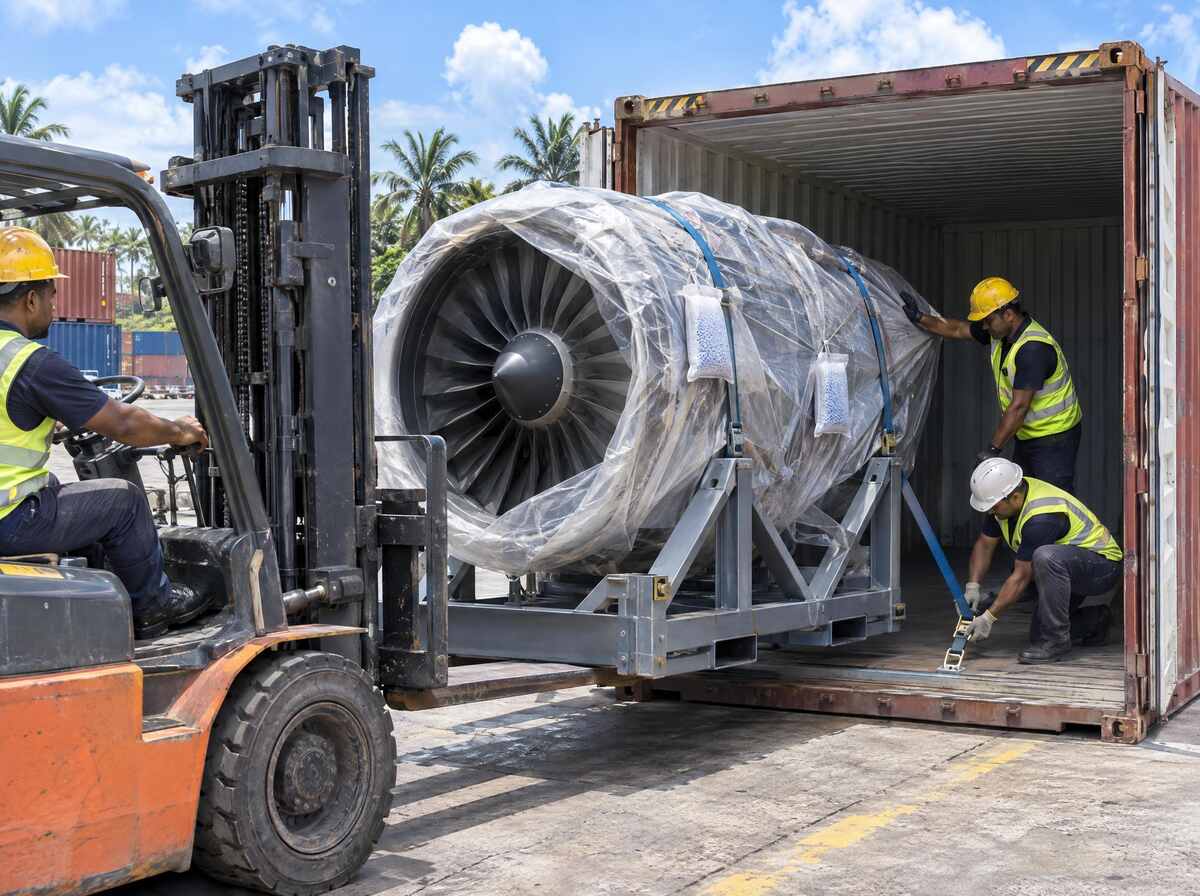
A helicopter in a forty-foot box
Light and medium helicopters reach Southeast Asia by container. Done properly the aircraft flies again within days of arrival; done badly it sits for months waiting for a damaged blade.
Disassemble
Main and tail rotor blades, horizontal stabiliser and, where needed, the mast are removed and logged.
Protect
Blades in padded cradles, fuselage lashed on its skids or a transport frame, desiccant and shock recorders fitted.
Ship
Container by sea to Sihanoukville or by air to Phnom Penh, with export and import clearance handled by us.
Reassemble
Refit, rigging, track and balance, ground runs, all signed for by licensed engineers.
Check flight
Flight test to the manufacturer's schedule, then handover with the technical records.
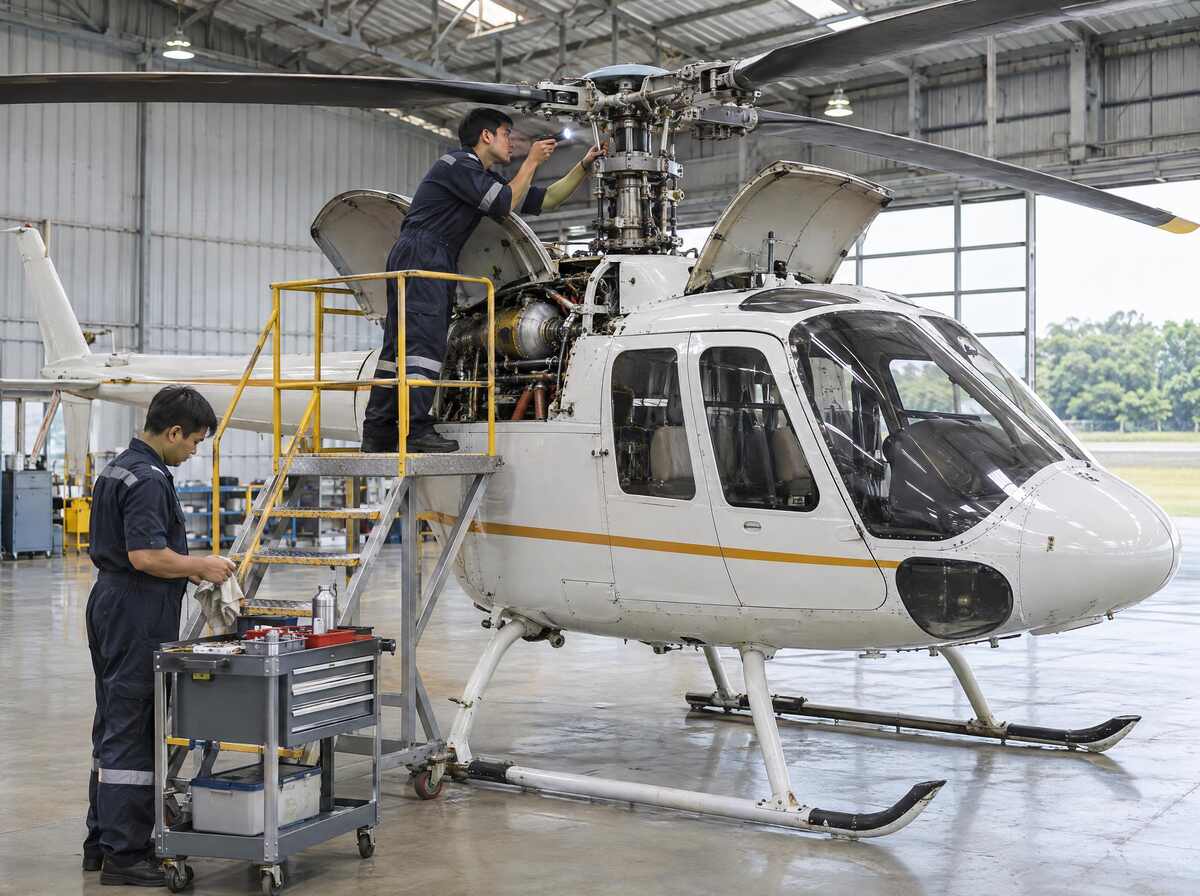
Standards
Who signs for the work
Avicam is a trading and project company. The signature on a release certificate belongs to an approved organisation, and we choose those organisations for you.
Which approvals do your repair partners hold?
Units are released by organisations approved under FAA Part 145, EASA Part-145 or the equivalent national approval accepted by the buyer's authority. The certificate names the organisation and its approval number.
Can work be done in Cambodia?
Line-level work, reassembly and inspections can be performed locally by licensed engineers under an approved organisation. Heavy component and engine work is sent to specialist shops abroad.
Who decides the workscope?
You do, with our recommendation. We give the shop's findings and prices in full before any additional work is approved.
What if a unit fails test?
You are told the same day with the shop's report. Beyond-economic-repair units are quarantined, mutilated and scrapped with a certificate so they cannot return to the market.
An aircraft to retire, an engine due a shop visit, a helicopter to move?
Talk to the technical desk →Avicam / We buy stock
We buy whole lots, anywhere in the world
Closing a base, retiring a fleet, sitting on shelves of slow movers? Send the list. We price the whole lot, pay for it and take all of it away.
What we buy
Five kinds of asset
Surplus inventories
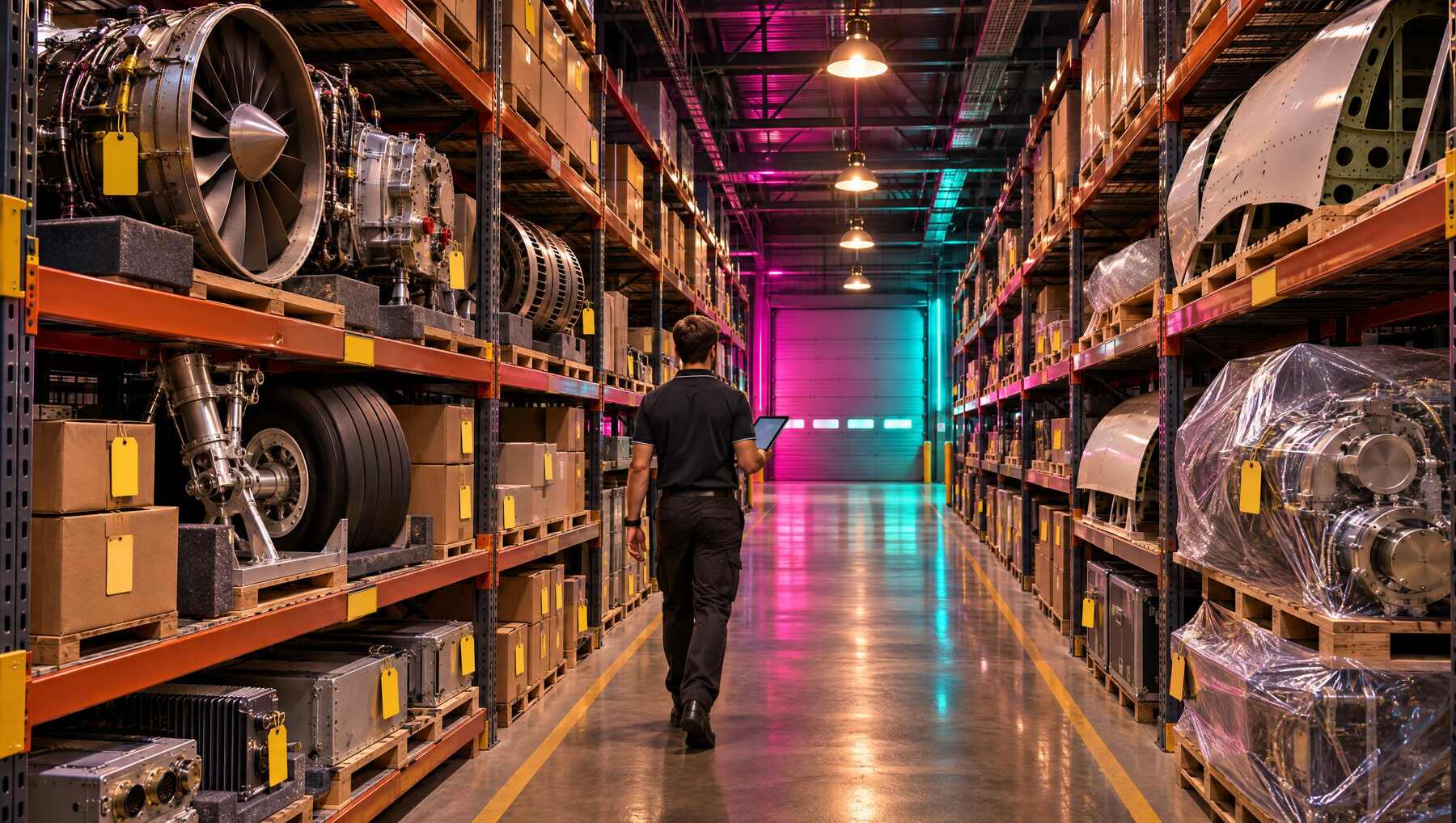
Complete stores of an operator, MRO or lessor: rotables, repairables, expendables, from a few hundred lines to tens of thousands.
Teardown packages
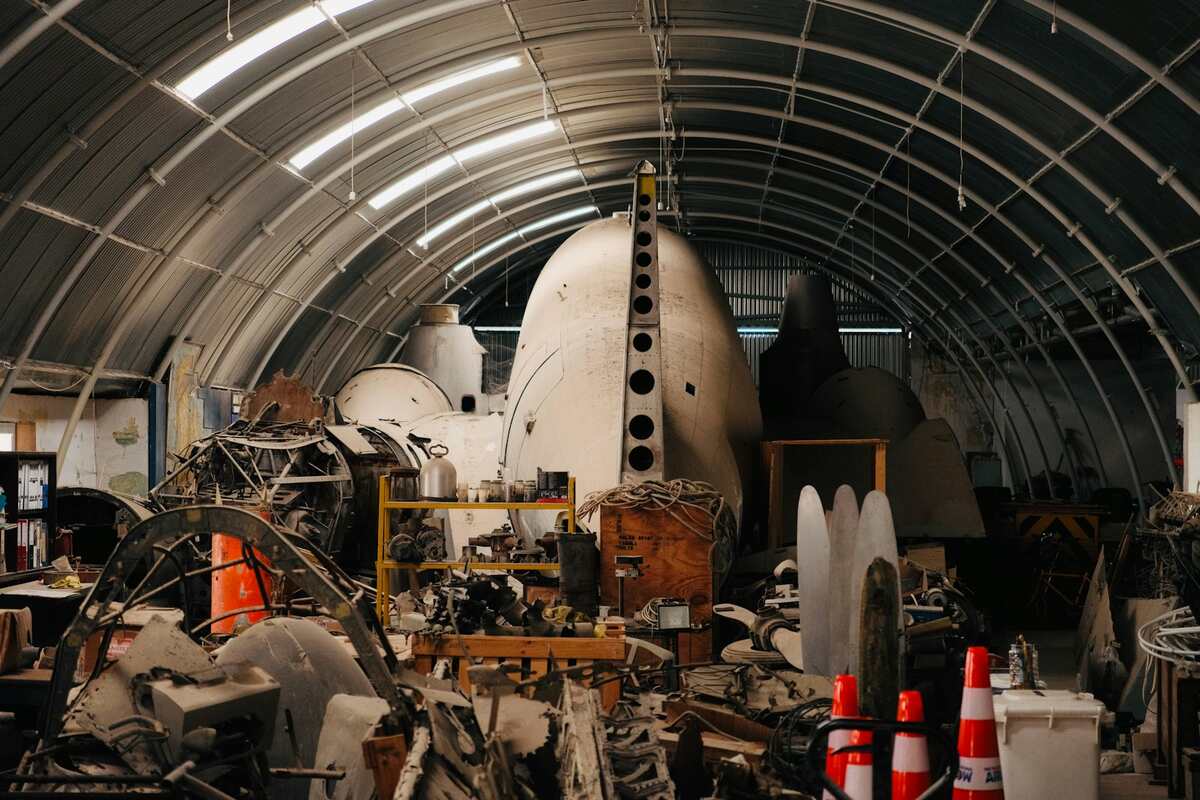
Harvested material from a dismantled aircraft, with or without overhaul, or the aircraft itself before it is cut.
Photo: Alan Rostovtev / Unsplash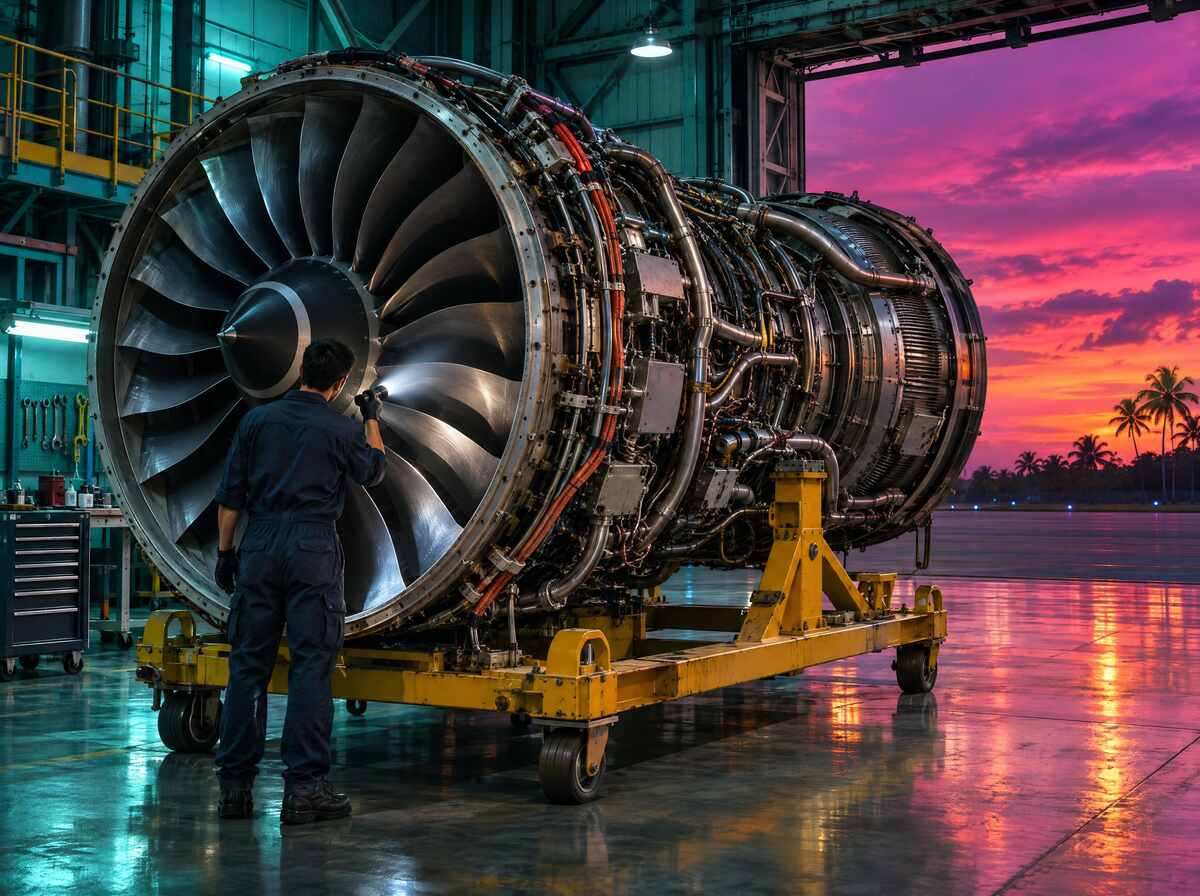
Engines and APUs
Serviceable, run-out or unserviceable. We value on remaining cycles, shop visit history and teardown potential.

Aircraft
Turboprops, business jets and regional airliners at the end of a lease or an ownership cycle, flying or parked.
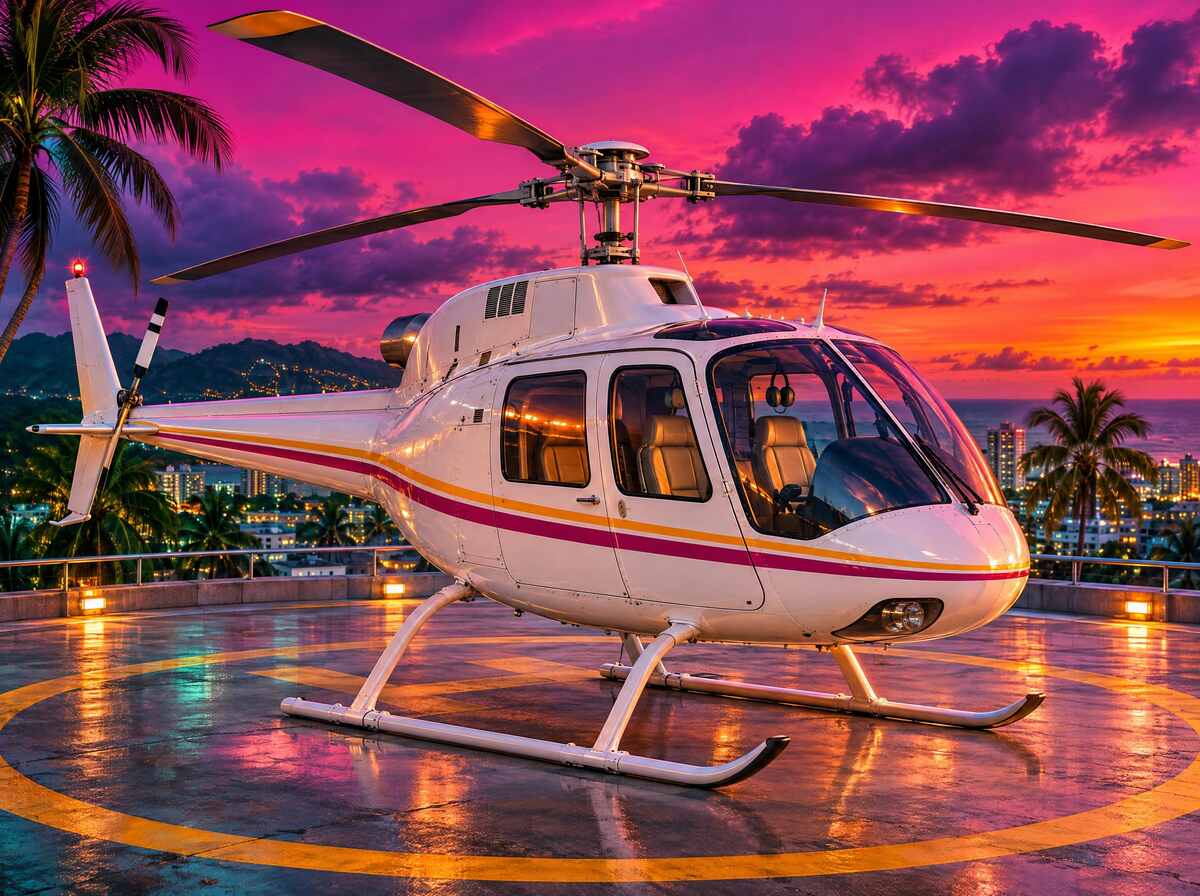
Helicopters
Light and medium singles and twins, including aircraft with major inspections due that their owners prefer not to fund.
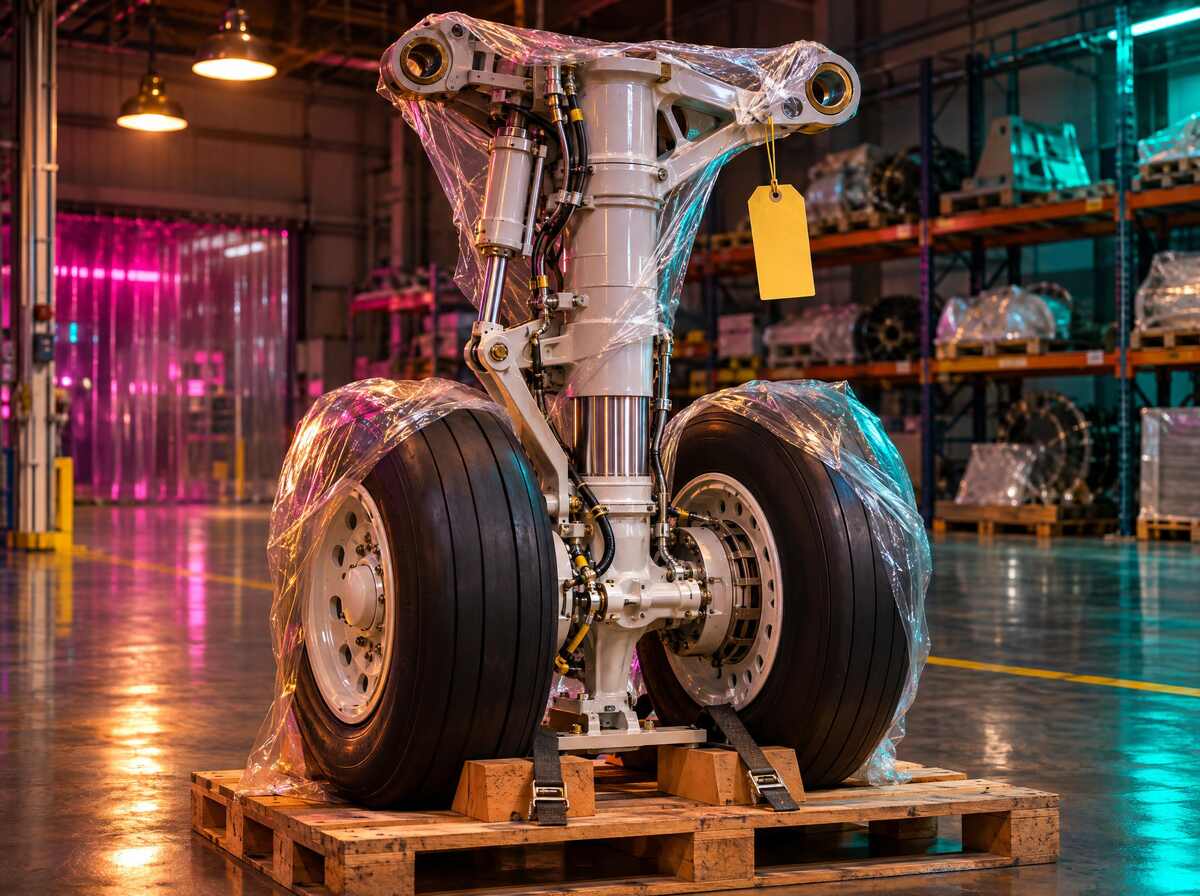
Tooling and ground equipment
Type-specific tooling, engine stands, jacks, test sets and ground support equipment.
How it works
Six steps from list to payment
Send the list
Excel, CSV or PDF. Part number, description, quantity, condition, serial number where there is one, and what documents exist. A photo of the store helps.
Non-disclosure
We sign your confidentiality agreement, or ours, before any detail is discussed.
Desk valuation
Line-by-line pricing against current market demand, then one figure for the whole lot.
Inspection
For larger lots we visit, sample the stock against the list and check documents.
Contract and payment
Sale agreement with title warranty. Payment by bank transfer before collection, on terms agreed in the contract.
Collection
We pack, load and ship from your warehouse, ex works. You are left with empty shelves.
How we value
What raises the price and what lowers it
Two lots with the same part numbers can be worth very different sums. These are the factors we weigh.
| Factor | Raises value | Lowers value |
|---|---|---|
| Documents | Release certificates and trace on file for each unit | Missing certificates, unknown previous operator |
| Platform | Types still flying in large numbers | Types being retired with few operators left |
| Condition | Overhauled or serviceable with recent tags | As removed, expired shelf life, old certificates |
| Mix | Rotables and high-demand line items | Mostly hardware and slow-moving expendables |
| Storage | Clean, dry, binned and labelled | Corrosion, mixed bins, no location system |
| Data | A clean list with serial numbers | No list; inventory must be counted from scratch |
| History | Clear non-incident statements | Material from accident aircraft or unknown sources |
Sale or consignment
Two ways to turn stock into cash
One price, paid before collection
We buy the whole lot and carry the risk of selling it. Best when you need the space, the cash or a clean exit.
- Fastest route to payment
- No further involvement from you
- Price reflects the time we will hold slow lines
We sell, you share the proceeds
Stock moves to our store and stays your property until sold. We market it, repair what is worth repairing and report monthly.
- Higher total return on good material
- Proceeds arrive over time
- Repair costs agreed in advance, line by line
Questions
Selling to Avicam
Is there a minimum lot size?
No fixed minimum. A single engine or one pallet of rotables is worth a call; so is a warehouse.
Do you buy material without certificates?
Yes, at a price that reflects the cost of putting it through an approved shop. Material with no traceable origin at all we decline.
How fast can you make an offer?
It depends on the list. A clean spreadsheet of a few thousand lines can be valued within days; a store that has to be counted takes longer.
Will you travel to inspect?
Yes, anywhere we are allowed to do business.
What happens to parts you cannot sell?
Unserviceable and unsaleable units are mutilated and scrapped with a certificate, so that nothing uncertified finds its way back onto an aircraft.
Send the list. We answer with a number.
Offer us your stock →
Avicam / Government & institutions
Aircraft programmes for ministries and state operators
A Cambodian company for Cambodian programmes. We supply aircraft together with the spares, tooling and training that keep them flying after the handover ceremony.
Missions
Five public missions an aircraft can serve

Tourism and air links
Sightseeing flights over Angkor and the coast, seaplane and helicopter transfers to the islands, commuter links between provincial airports.

Medical evacuation and rescue
Helicopters with medical interiors, hoists and night capability to reach provincial hospitals and accident sites.

Patrol and surveillance
Coastal, fisheries, forestry and border observation from turboprops and helicopters fitted with cameras and radar.

Survey and calibration
Aerial mapping, flight inspection of navigation aids, environmental and disaster assessment.
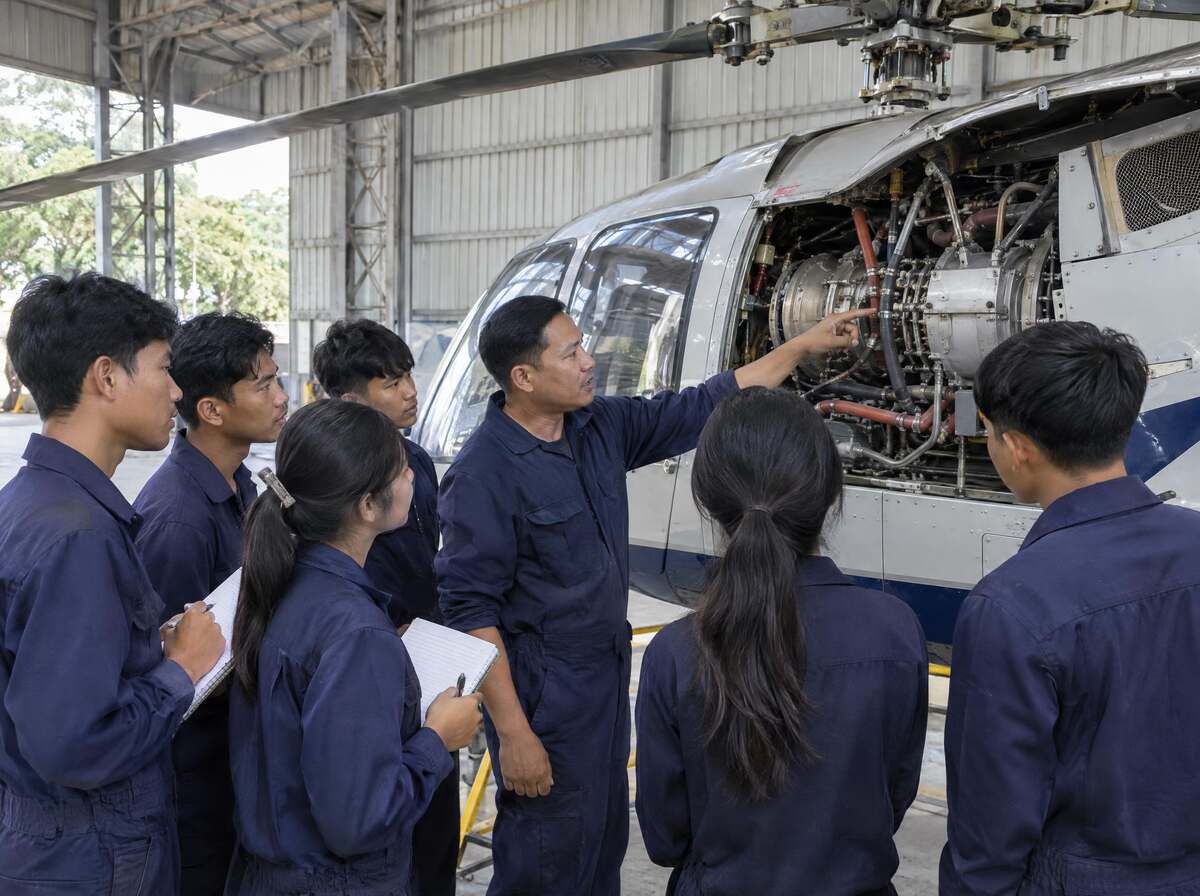
Training
Trainer aircraft and helicopters, ground instruction aids and courses for pilots and licensed engineers.

Official transport
Aircraft for delegations and inter-ministerial travel, managed and maintained under contract.
Aircraft options
Types commonly matched to these missions
Approximate manufacturer figures for a standard configuration. Range and payload fall in hot weather and with mission equipment; we calculate them for your routes.
| Type | Class | Seats | Cruise | Range | Suited to |
|---|---|---|---|---|---|
| Airbus H125 | Single-engine helicopter | 1 + 5/6 | ≈ 250 km/h | ≈ 630 km | Sightseeing, utility, patrol, training |
| Bell 407GXi | Single-engine helicopter | 1 + 6 | ≈ 245 km/h | ≈ 620 km | Tourism transfers, patrol, light medevac |
| Airbus H145 | Twin-engine helicopter | 1–2 + 9 | ≈ 240 km/h | ≈ 650 km | Medical evacuation, rescue, police |
| Cessna Grand Caravan EX | Single turboprop | 1–2 + 9–12 | ≈ 340 km/h | ≈ 1,700 km | Island and provincial links, survey; floats optional |
| Beechcraft King Air 350 | Twin turboprop | 2 + 9 | ≈ 560 km/h | ≈ 3,300 km | Patrol, calibration, medevac, official transport |
| ATR 72-600 | Regional airliner | 68–78 | ≈ 510 km/h | ≈ 1,500 km | Domestic and cross-border scheduled routes |
Indicative published figures; confirm against the flight manual of the specific aircraft and configuration. Type names identify the aircraft only.
What a programme includes
The aircraft is a third of the job
Fleets fail when the spares, the tooling and the trained people were not in the budget. We price them from the start.
Mission study
Routes, payloads, landing sites, climate and annual flying hours turned into a requirement.
Aircraft selection
New against pre-owned, single against twin, purchase against lease, with ten-year operating cost for each option.
Acquisition
Sourcing, pre-purchase inspection, contract and export from the country of origin.
Mission equipment
Medical interior, hoist, cameras, floats, radios: specified, installed and certified before delivery.
Delivery and registration
Shipping or ferry, import, reassembly, and support through registration with the civil aviation authority.
Initial provisioning
A spares package sized to the planned flying, plus tooling and ground equipment.
Training
Type ratings for pilots and type courses for engineers at approved training organisations.
Through-life support
Parts supply, repair management and scheduled inspections under a support agreement.
Procurement
Working with public buyers
Khmer and English
Technical proposals, compliance matrices and contracts prepared in both languages.
Purchase, lease or managed service
Outright sale, operating lease, or an hourly service in which we provide the aircraft and its support.
Export control and sanctions
End-user statements and licences obtained from the exporting country before any aircraft or part moves.
Open-book pricing
Aircraft price, inspection findings, shipping, equipment and our fee shown as separate lines.
Cambodian engineers
Programmes include training places so that maintenance skills stay in the country.
What we do not supply
Avicam supplies civil and unarmed public-service aircraft. We do not trade in weapons or weapon systems.
Official statements
What Cambodia's aviation and tourism leaders have said
Public statements summarised from the sources linked. They describe national policy and do not concern Avicam.
At the inauguration of Techo International Airport, the minister in charge of civil aviation described the airport as a catalyst for tourism, logistics, investment and wider economic growth.
Receiving a delegation from Emirates, the Minister of Tourism welcomed the airline's part in improving air connectivity, with talks covering direct services from Dubai to Phnom Penh and Siem Reap.
Announcing a record 6.98 million air passengers for 2025, the civil aviation spokesperson credited new international routes from major destinations and better airport infrastructure.
Cambodia and the United States signed their first bilateral air transport agreement in Washington, which the civil aviation authority said brings the relationship to modern standards.
Planning a fleet, a tender or a pilot programme?
Discuss a programme →
Avicam / Insights
Insights
Our guides to buying parts and aircraft, the market we work in, and what Cambodia's aviation authorities are saying.
Avicam guides
Written by our desk for buyers and sellers
NE, NS, OH, SV, AR: what condition codes really mean
The letters on a quote decide the price and the paperwork. A plain guide to each.
Reading an FAA 8130-3 and an EASA Form 1
Which blocks matter, which signature you need, and the errors that should stop a purchase.
What comes out of a teardown
How a retired airliner becomes several thousand certified parts, and why supply is tight.
Life-limited parts and back-to-birth trace
Why one missing page in a disc's history can write off the disc.
Choosing a helicopter for tourism flights
Single or twin, six seats or seven, new or pre-owned: the questions that set the answer.
Bringing an aircraft into Cambodia
The practical sequence from export certificate to first flight on the XU register.
Watch
Interviews worth an hour of your time
External videos from their publishers. They open on YouTube; on the live site they can play in the page.
Cyril Girot, CEO of Cambodia Airports: three decades of airports in Cambodia and the move to Techo InternationalB2B Cambodia · 6 Aug 2025 · Part 1
 Cyril Girot on route development, sustainability and SihanoukvilleB2B Cambodia · 6 Aug 2025 · Part 2
Source: B2B Cambodia interview page · Thumbnails are stock photographs, not stills from the videos.
Cambodia aviation news
What has been reported
Headlines in our words; follow the link for the original article.
Aftermarket reading
The parts and engine market in 2026
NE, NS, OH, SV, AR: what condition codes really mean
Every quote for an aircraft part carries a two-letter condition code. It tells you what was done to the unit, what document comes with it and, largely, what it should cost.
NE: new
Made by the manufacturer or a licensed producer and never installed. It comes with the manufacturer's release or a certificate of conformity. New is the most expensive condition and often the one with the longest lead time.
NS: new surplus
Also never installed, but bought earlier by an operator or stockist and now being resold. The part is new; the paperwork may be several years old, so check storage conditions and shelf life for anything with rubber, sealant or batteries in it.
OH: overhauled
The unit has been disassembled, cleaned, inspected, repaired as needed, reassembled and tested to the component maintenance manual. Time since overhaul is zero. For most rotables this is the best balance of price and life.
SV: serviceable
Inspected and tested and found fit for use, without a full overhaul. Hours and cycles since the last overhaul carry over, so ask for them. Cheaper than overhauled, and perfectly sound when the remaining life suits your need.
RP: repaired
A specific defect has been fixed and the unit tested. The certificate describes the repair. Everything not touched by the repair is as it was.
AR: as removed
Taken off an aircraft and not yet inspected. It may work; it may not. An as-removed unit cannot be fitted until an approved shop has tested it and issued a release. Buy it when you have a shop and time, and when the price leaves room for the repair.
What to ask for on a quote
- The condition code and the date of the certificate
- Who issued the certificate and under which approval
- Hours and cycles since new and since overhaul
- The last operator and a non-incident statement
- For life-limited parts, the complete history from new
Reading an FAA 8130-3 and an EASA Form 1
The two forms look alike on purpose. Each is the authorised release that lets a part be installed on an aircraft. Here is where to look first.
The blocks that identify the part
Blocks 6 to 10 list the item, description, part number, quantity and serial number. These must match the data plate on the unit exactly, including dash numbers and modification status. A single wrong character is a reason to stop.
Block 11: status / work
One word that says what the certificate covers: new, overhauled, repaired, inspected, tested or modified. This is where the condition code on your quote comes from.
Block 12: remarks
The most useful block and the least read. It should state the maintenance data used, airworthiness directives complied with, any deviations, and for a dual release the statement that the work meets the other authority's requirements.
Left side or right side
Blocks 13a to 13e, on the left, are signed for newly manufactured parts. Blocks 14a to 14e, on the right, are signed by a repair station or maintenance organisation returning a used part to service. A used part with only the left side signed is wrong.
Who signed
Block 4 names the organisation and the certificate carries its approval number. Check that the approval exists, covers that class of component and was valid on the date in block 13e or 14e.
Reasons to refuse a certificate
- Part or serial number differs from the data plate
- Photocopy with no traceable original
- Approval number that cannot be verified
- Remarks block empty on an overhauled or repaired unit
- Alterations, correction fluid or mismatched fonts
Avicam checks each of these before a unit is offered, and sends the certificate for your approval before dispatch.
What comes out of a teardown
When an airliner stops earning more in the air than its parts are worth on the ground, it is dismantled. The result is used serviceable material, the industry's second supply chain.
Why aircraft are parted out
A twenty-year-old narrow-body may need two engine shop visits and a heavy check within a few years. If those bills exceed the value of the aircraft after the work, the owner earns more by selling it as parts.
What is removed
A single-aisle airliner yields between one and two thousand saleable part numbers. The engines usually account for most of the value, followed by landing gear, the auxiliary power unit, avionics and other rotables. Structure and cabin are worth little; the hull is recycled.
From removal to shelf
Each unit is tagged at removal, then either sold as removed or sent to an approved shop for test, repair or overhaul. Only after the shop issues a release can it be installed again. Our MRO page sets out the seven stages.
Why supply is tight
New aircraft have been delivered late for several years, so airlines have kept older aircraft flying. Fewer retirements mean fewer teardowns. Industry sources put recent retirements at about 1.5 to 1.6 percent of the fleet per year, and report premium prices for good used material.
What that means for a buyer in Cambodia
- Plan ahead: lead times for popular units are longer than they were
- Accept more than one condition code where the manual allows
- Consider exchange units to avoid waiting for a repair
- Buy records, not just metal: untraceable parts are cheap for a reason
Further reading: Aviation Week · Aviation Today · AviTrader
Life-limited parts and back-to-birth trace
Some parts are retired by the calendar of their own use, however good they look. Their paperwork is worth as much as their metal.
What a life-limited part is
A component whose failure could endanger the aircraft and which must be removed from service at a fixed number of flight cycles or hours. In an engine these are the rotating discs, spools and shafts. On a helicopter they include rotor hubs, blades and many dynamic components.
Why history matters
The limit is counted from the day the part was made. To know what is left you need an unbroken record of every engine or aircraft the part was installed in, with the cycles flown in each. This is back-to-birth trace.
What a complete record looks like
- The manufacturer's original release with part and serial number
- Every installation and removal, with dates and the cycles at each
- The thrust rating flown at each installation, where limits differ by rating
- Shop visit records and any repairs
- A non-incident statement from each operator
When a page is missing
If cycles cannot be proven for part of a disc's life, an authority may require the gap to be counted at the most severe assumption, or the part to be scrapped. A disc with half its life left and a gap in its records can be worth nothing.
How we handle it
We audit the record before we buy an engine or a module, and we give buyers the disc sheet with cycles remaining at each rating before they commit.
Choosing a helicopter for tourism flights
Temples at sunrise, islands twenty minutes offshore, a capital with a new airport. Cambodia suits helicopter tourism. The right aircraft depends on five questions.
1. How many seats pay for the flight?
Sightseeing economics are per seat. A cabin for five or six passengers, with every seat by a window, earns more per hour than a four-seater and fills more easily than a larger twin.
2. Single or twin engine?
Modern single-turbine helicopters carry most of the world's sightseeing passengers. A twin costs more to buy and to fly but may be required for flights over water at distance, over built-up areas or at night. The operating rules of the authority decide.
3. How hot, how high, how heavy?
Performance falls with temperature. An aircraft that lifts six passengers on a cool morning in Europe may lift five on an April afternoon in Siem Reap. We calculate payload for your sites and season.
4. Who will maintain it?
Choose a type with engineers, tooling and parts within reach. A common type with regional support will fly more days a year than a rarer one.
5. New or pre-owned?
A well-kept five-year-old aircraft with good records usually costs well below the new price and is available sooner. What matters is the time remaining on the engine and the dynamic components, which is where a pre-purchase inspection earns its fee.
Typical shortlist
Operators in the region usually compare a light single such as the H125 or Bell 407, a wide-cabin single such as the H130, and a light twin such as the H135 or H145 where rules require two engines.
Bringing an aircraft into Cambodia
The practical sequence from a hangar abroad to a first flight carrying an XU registration. General guidance; the State Secretariat of Civil Aviation sets the requirements for each case.
Before the aircraft moves
- Agree with the authority that the type is acceptable and which documents it will need
- Complete the pre-purchase inspection and close the sale
- Have the aircraft removed from its previous register
- Obtain an export certificate of airworthiness from the exporting authority
- Obtain any export licence the exporting country requires
Getting it here
Aeroplanes are normally ferried under a temporary registration or a ferry permit. Helicopters are usually disassembled and shipped by container to Sihanoukville, or by air freight to Phnom Penh when time matters.
At the border
Customs clearance needs the bill of sale, commercial invoice, packing list and transport document. Duty and tax treatment depends on the importer and the use of the aircraft; confirm it before shipping.
Registration and airworthiness
The owner applies for registration and a certificate of airworthiness. The authority reviews the records, inspects the aircraft and, once satisfied, issues the certificates and a registration beginning XU.
Before the first revenue flight
- Reassembly, ground runs and check flight signed by licensed engineers
- Maintenance programme approved for the aircraft
- Insurance in place
- Aircraft added to the operator's certificate where it will fly commercially
Avicam manages the sequence for its buyers and works alongside the operator's own postholders and the authority.

Avicam / Company
A Cambodian aviation supply company
Avicam Supply Co., Ltd. is based in Phnom Penh. We source aircraft, engines and components worldwide for operators in Cambodia and across Central, East and Southeast Asia.
Who we are
Traders with a technical desk
Avicam supplies spare parts and consumables for long-haul, regional and business aircraft and for helicopters. The work runs in two directions: upstream, into buying whole inventories, engines and aircraft; and downstream, into the teardown, repair and delivery that turn those assets into something an operator can fly.
We keep margins modest and relationships long. Regular customers get our best pricing because repeat business costs us less to serve.
Our home market is Cambodia, where a new capital airport, a growing register and an expanding route network are creating demand for aircraft and for the people and parts to support them.
- Direct relationships with manufacturers, distributors and repair stations
- An AOG desk and logistics that work around the clock
- Experienced, multilingual staff with regional knowledge
How we are organised
Six desks, one account manager
Aircraft and helicopters
Sourcing, valuation, inspection and closing for buyers and sellers.
Parts and AOG
Quotations, order processing and urgent requests, every day of the year.
Stock and teardown purchasing
Valuation and purchase of inventories, engines and end-of-life aircraft.
MRO coordination and quality
Workscopes, shop management, records audit and incoming inspection.
Government and institutions
Fleet studies, tenders and turnkey delivery for public bodies.
Freight and compliance
Export licences, sanctions screening, shipping and customs.
Team
The people behind the desks
As listed on the current Avicam website; to be confirmed and completed with portraits.
Typical projects
How three kinds of job run
Outlines of the work we take on, to show scope and sequence. They are not accounts of specific client projects.
A grounded regional turboprop
An operator needs a main gear actuator today.
- Request received, three units located on two continents
- Certificates sent to the operator's engineers for approval
- Overhauled unit dispatched on the next flight
- Core returned for exchange credit
A sightseeing helicopter, turnkey
A tourism operator wants a six-seat single on the ramp before high season.
- Three candidates shortlisted against budget and seat count
- Pre-purchase inspection at an independent facility
- Disassembly, container to Sihanoukville, reassembly
- Check flight, registration support, spares kit handed over
A retired fleet's parts store
An airline retiring a type wants its warehouse cleared.
- List valued line by line, one offer for the lot
- Stock sampled on site, documents checked
- Purchase, packing and shipment ex works
- Units recertified and sold to operators of the type
References
What our customers say
Customer references are published only with the customer's written consent.
Operator reference: client name, fleet, what Avicam supplied, a quotation approved by the client, year.
Seller reference: who sold stock to Avicam, lot size, how the purchase ran, a quotation approved by the client.
Institutional reference: programme, aircraft delivered, support provided, a statement approved by the institution.
PrototypeThese slots are left empty on purpose. Real references, logos and case studies go here once each customer has approved the wording.
Quality & compliance
Paperwork first
A part without its history is scrap. Every sale starts with the documents.
- Traceability
- Back-to-birth records for life-limited parts and a clear chain of ownership.
- Release
- FAA 8130-3 or EASA Form 1 with new, overhauled and serviceable units.
- Screening
- Counterparties and end users checked against sanctions lists before we quote.
- Export control
- End-user statements and licences where the exporting country requires them.
- Suspect parts
- Anything that fails document or physical checks is quarantined and reported.
Reach
Sourced worldwide, landed in Phnom Penh
Typical freight lanes into Cambodia and onward to neighbouring markets.
Amber: inbound lanes. Green: onward delivery. Positions follow longitude and latitude; arcs are schematic.
Avicam / Contact
Talk to Phnom Penh
One address for orders, offers of stock, aircraft enquiries and programmes. AOG calls are answered at any hour.
- Phone
- +855 98 384 414
- AOG desk
- 24 hours, 7 days · Indochina Time (UTC+7)
- Office
- St. 90, #16, Sangkat Sras Chok, Khan Daun Penh, Phnom Penh 12201, Cambodia
- Airports
- Techo International (KTI) · Siem Reap–Angkor (SAI) · Sihanouk (KOS)
So we can answer the first time
- Parts: part number, quantity, condition accepted, need-by date
- Aircraft: type, year range, budget, mission, base
- Stock for sale: the list, with conditions and documents
- Programmes: mission, flying hours per year, timing
Also from Avicam
Charter and fleet management
Private jet and helicopter charter
A crewed aircraft for your flight, on your date and at your hour. We act as air broker with access to a database of more than 6,000 business jets and handle the trip end to end.
Fleet management
Dry operating leases of aircraft and engines, fleet needs analysis, lease and purchase negotiation, asset management and financial modelling.